The adventure of moving to a new country as a digital nomad. But without a good money plan, all that excitement can quickly become stress.
The costs vary dramatically country to country. What seems affordable in Southeast Asia may clean out your bank account in Western Europe. And if you’re playing it by ear without a budget, you’ll blow through savings before you even discover your favorite coffee shop.
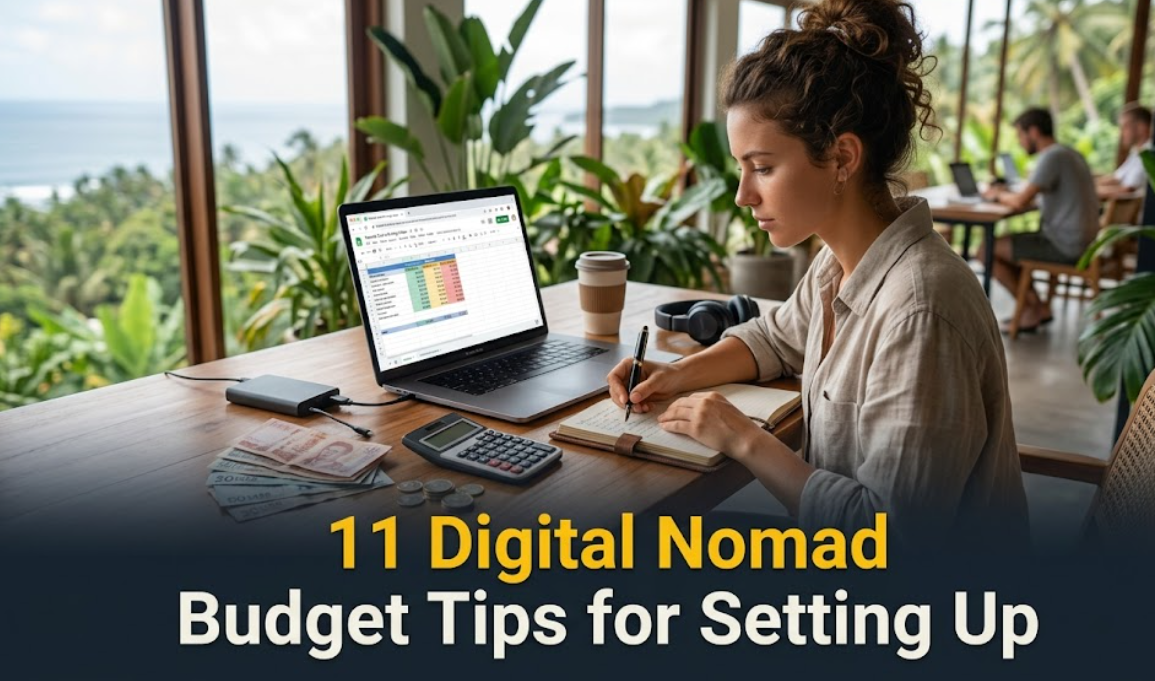
These 11 tips for budgeting as a digital nomad can set you up to arrive prepared, spend smarter, and stretch every dollar (or euro or baht) as far as it goes.
Tip 1 — Know Your Destination’s Cost of Living Before You Arrive
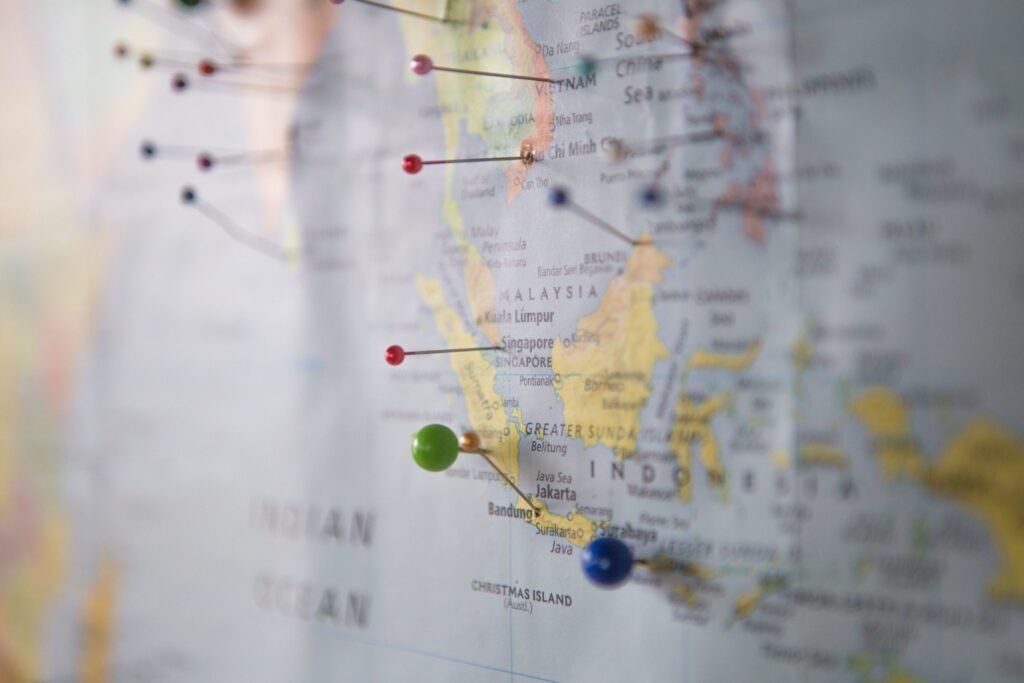
What is the single biggest mistake new digital nomads make? Showing up without knowing what things cost.
Don’t rely on gut feeling. Use data.
Websites like Numbeo, Expatistan, and Nomad List provide detailed accounts of actual costs — rent, groceries, transport, coworking spaces — in cities around the world. Take at least an hour comparing your preferred places before booking anything.
Key numbers to research:
- Average monthly rent for a furnished studio or guest room
- Price of a local SIM card and data package
- Meal prices: local restaurants compared to tourist spots
- Monthly coworking space membership
- Health insurance and emergency-related medical bills
Once you have those numbers, create a rough monthly budget before getting there. Pad it by 20% for surprises. That buffer is your friend in the first month.
Tip 2 — Get a Bank Account That Doesn’t Gobble Your Money Overseas
Is your home bank robbing you overseas?
Regular banks charge foreign transaction fees (typically 1–3%) and bad exchange rates. That can cost you $60–$100 every single month on a $2,000/month budget — wasted money for nothing.
You’ll want a travel-friendly account before you depart.
Top options for digital nomads:
| Bank / Card | Purchase Foreign Fees | ATM Withdrawals | Best For |
|---|---|---|---|
| Wise (previously TransferWise) | 0–0.5% | Low fee, up to limits | International transfers |
| Charles Schwab | 0% | Refunded worldwide | US-based nomads |
| Revolut | 0% (up to limits) | Free within limits | Multi-currency spending |
| N26 | 0% | Free (select plans) | Europe-based nomads |
Set up at least two accounts. Banks freeze cards for “suspicious” foreign activity. If you lose a card, you want to be able to freeze it — and keep spending immediately.
Tip 3 — Track Every Single Expense From Day One
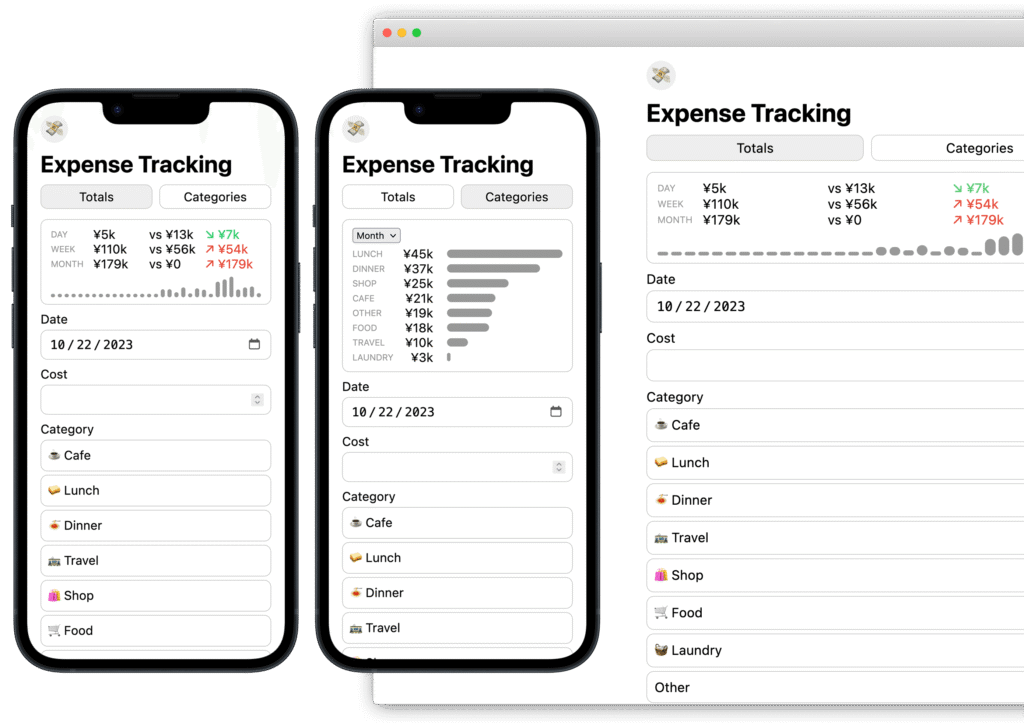
Most nomads go overboard in months one and two. They’re not lazy — they just can’t see where the money is going.
When spending is not visible, you are controlled by it.
Record every expenditure as soon as it occurs using a budgeting app. Don’t batch it at the end of the week. By then you’ve forgotten three coffees and a taxi ride.
Popular apps for expense tracking:
- Splitwise — great for splitting costs with travel buddies
- Trail Wallet — very simple, daily budget tracking
- YNAB (You Need a Budget) — feature-rich, good for discipline
- Notion or Google Sheets — free and customizable
Choose one and commit to it for at least 30 days. By the end of your first month, you’ll have a clear picture of where the money is really going — and what can be cut.
For a deeper breakdown of how to structure your spending, Digital Nomad Budget is a great starting point with practical frameworks built specifically for nomads.
Tip 4 — Book Smart Accommodation and Negotiate Monthly Rates
Hotels are for tourists. Coliving spaces and monthly rentals are for digital nomads.
If you’re staying somewhere for 3–4 weeks or more, negotiate a monthly rate. Many landlords prefer reliable long-term monthly tenants over short-stay guests. You can pay 30–50% less than what you would pay per night.
Accommodation comparison by stay length:
| Stay Length | Best Option | Avg. Savings vs. Hotel |
|---|---|---|
| 1–3 nights | Hotel / hostel | — |
| 4–14 days | Airbnb / guesthouse | 10–20% |
| 2–4 weeks | Coliving space | 25–40% |
| 1+ month | Monthly rental | 35–55% |
When renting for a month, always do an in-person visit or video tour with the host before committing. Test the Wi-Fi speed yourself — don’t take listing descriptions at face value.
Tip 5 — Be Clear on Taxes Before Crossing Borders
This is the area most new digital nomads overlook until it catches them off guard.
Tax laws differ from country to country — and “I didn’t know” is no defense when a government comes calling.
Depending on your home country and the duration of your stay abroad, you may owe taxes in your home country, your host country, or both. Some countries with territorial tax systems (like Panama or Georgia) do not tax foreign income at all. Others — the US included — tax citizens on global income no matter where they live.
Things to ask your accountant before you leave:
- What taxes do I owe to my home country when abroad?
- Do tax treaties exist between my home country and destination?
- How many days are needed for tax residency in my target country?
- How should I register — as a freelancer, LLC, or sole trader?
Investing $200–$500 in a consultation with an overseas tax expert can potentially save you thousands. It’s not optional — it’s a part of your digital nomad budget.
Tip 6 — Create a Monthly Budget Template That Works
Budgets don’t work when they’re too complex. Keep yours simple.
Organize your monthly spending into four categories:
The Digital Nomad Budget Framework:
| Category | What It Includes | Suggested % of Income |
|---|---|---|
| Housing | Rent, utilities, coliving fees | 30–40% |
| Work | Coworking, software, internet | 10–15% |
| Living | Food, transport, personal care | 25–30% |
| Buffer | Travel, emergencies, and fun | 15–20% |
Start with this framework. Tailor it depending on the cost of living where you’re moving and your income level.
If rent in the city you’ve selected exceeds 40% of your income, either earn more or pick a less expensive base. That’s the honest math.
Tip 7 — Eat Like a Local, Not a Tourist
Food is the silent killer of digital nomad budgets.
A street food meal from a local vendor costs less than $1, while a restaurant with an English menu near the tourists costs 3–5x more just two blocks away. Do that twice a day and you’re spending an extra $300–$600 per month.
Guidelines for eating on a digital nomad budget:
- Eat at local markets, wet markets, and street stalls for daily meals
- Prepare breakfast and one additional meal at home or in your apartment
- Ask locals — not Google — where they actually eat
- Save tourist-area restaurants for special occasions
- Seek out “set lunch” menus, often 30–50% cheaper than dinner prices
If you eat where the local people eat, you can dine extremely well across much of Asia, Latin America, and Eastern Europe for just $5–$10 a day.
Tip 8 — Find the Right Health Insurance — Don’t Gamble With This
Travel insurance is different from health insurance.
Travel insurance covers trip cancellation and lost luggage. Health insurance pays for the ambulance, the hospital, and the surgeon. If you’re a digital nomad living abroad long-term, health insurance is non-negotiable — full stop.
Important aspects your policy must cover:
- Emergency hospitalization and surgery
- Outpatient doctor visits
- Emergency evacuation
- Pre-existing conditions (if applicable)
- Dental (often sold as an add-on)
Top health insurance providers for nomads:
| Provider | Best For | Approx. Monthly Cost |
|---|---|---|
| SafetyWing | Budget nomads, wide coverage | $45–$70/month |
| Cigna Global | Comprehensive, long-stay | $150–$300/month |
| World Nomads | Adventurers | $80–$150/month |
| Allianz Care | Premium, employer-grade | $200–$400/month |
Skipping health insurance to save $50/month is one of the most dangerous financial decisions a nomad can make. One emergency can run up to tens of thousands of dollars.
Tip 9 — Get Local SIMs and Wi-Fi — Roaming Is Out of the Question
Home carrier roaming charges are a budget buster.
As soon as you arrive, purchase a local SIM card. In most countries — Thailand, Mexico, Portugal, Georgia — you’ll get 10–30GB for $5–$15 a month. That’s often 95% less than your home carrier’s international roaming plan.
Before you travel:
- Confirm your phone is unlocked. Locked phones only operate on your carrier’s network.
- Save offline maps (Google Maps allows you to save areas for when you’re not connected).
- Create a VoIP number (Google Voice, WhatsApp, or Skype) so people can still reach your home number.
- Pack a mobile hotspot as backup, or know where the nearest coworking space is in case your accommodation Wi-Fi goes down during a client call.
According to Nomad List, cities like Chiang Mai, Medellín, and Tbilisi consistently rank among the top destinations for fast, affordable internet — making local SIM cards an even more cost-effective choice in those cities.
Tip 10 — Negotiate Long-Term Rates on Everything
Most digital nomads don’t negotiate. That’s a mistake.
In many countries — notably in Asia, Latin America, and Eastern Europe — negotiation is the norm. Landlords expect it. Coworking spaces expect it. Even some guesthouses expect it.
Where to always negotiate:
- Monthly rent for an apartment or room (especially if paying 3+ months upfront)
- Coworking memberships (ask for a weekly trial first, then negotiate a monthly rate)
- Motorbike or scooter rentals (monthly rates may not be advertised but are always available)
- Language tutors or local guides
- Gym memberships
Simply asking, “Is there a better rate if I stay for a month?” can save you 20–40% on the spot. The worst they can say is no.
Tip 11 — Before Leaving Your Job, Build an Emergency Fund
This is the digital nomad budget tip most people miss — and it’s the one that kills nomadic careers early.
Set aside an emergency fund that is completely separate from your travel budget.
What your emergency fund should cover:
- 3–6 months of living expenses in your target destination
- A flight home if needed
- Out-of-pocket medical emergencies (your insurance excess/deductible)
- Lost laptop or work equipment replacement
A good rule of thumb: have $5,000–$10,000 in liquid savings as a safety net before you go. More if you’re relocating to an expensive area.
Having this fund not only protects you financially. It eliminates the desperation that leads to poor decisions — such as taking low-paying clients, living somewhere you don’t feel safe because it’s cheap, or going back home before you’re mentally ready.
How Much Does a Digital Nomad Really Need Per Month?
Costs differ dramatically depending on your destination. Here’s a realistic snapshot:
| City | Monthly Budget (Budget) | Monthly Budget (Comfortable) |
|---|---|---|
| Chiang Mai, Thailand | $900–$1,200 | $1,500–$2,000 |
| Medellín, Colombia | $1,000–$1,400 | $1,800–$2,500 |
| Tbilisi, Georgia | $800–$1,100 | $1,500–$2,200 |
| Lisbon, Portugal | $1,800–$2,400 | $2,800–$3,800 |
| Bali, Indonesia | $1,000–$1,500 | $1,800–$2,600 |
| Mexico City, Mexico | $1,200–$1,600 | $2,000–$2,800 |
These are rough estimates. Real-world costs vary depending on your lifestyle, where you choose to live, and how much you spend.
The Wrap-Up — Your First-Month Checklist
In every new country you land in, use this checklist:
- Research cost of living on Nomad List or Numbeo before landing
- Open a Wise or Schwab account (before you leave)
- Purchase a local SIM card at the airport
- Test accommodation Wi-Fi speed on Day 1
- Set up your budgeting app and log your first expense
- Find a few good local restaurants near where you are based
- Make sure your health insurance works in this country
- Locate the nearest coworking space as a Wi-Fi backup
- Create monthly budget limits in your tracking app
- If booking anything longer than 2 weeks, negotiate a monthly rate
Get all of this done in the first 48 hours. It lays the groundwork for a calm, controlled first month.
FAQs: Digital Nomad Budget Tips
Q: How much savings should I have before becoming a digital nomad?
A: Most seasoned nomads recommend at least 6 months of living expenses saved before going full-time, plus a separate emergency fund. For a budget destination like Southeast Asia, that could be $8,000–$12,000 saved. For more expensive destinations, target $15,000–$20,000 or above.
Q: Which country is the cheapest for digital nomads?
A: Countries such as Georgia, Vietnam, Indonesia (Bali), and Colombia are known for being some of the cheapest for digital nomads. A $1,000–$1,500 monthly budget can support a comfortable lifestyle in many of these places.
Q: Cash or card when traveling abroad?
A: Both. For large purchases and ATM withdrawals, use a fee-free card such as Wise or Schwab. Have some cash on hand for markets, street food, and small vendors that don’t accept cards. Always get cash from ATMs inside banks, not standalone ATMs at malls or tourist attractions — their fees are higher.
Q: How do digital nomads deal with taxes?
A: Tax circumstances differ depending on your citizenship, the rules of your home country, and how long you spend in each country. US citizens must pay taxes on global income no matter where they are living. Many others become “tax non-resident” after staying outside their home country for a specified number of days. Always consult with an international tax specialist before making any decisions.
Q: What is the most common budgeting mistake digital nomads make?
A: Underestimating setup costs. The first month in a new country is almost invariably the priciest — you shell out for SIM cards, transport to scout housing (often via Airbnb), initial groceries, setup costs, and often overlapping accommodation. For your first month, budget 1.5 times your normal monthly estimate.
Q: Is slow travel more affordable than constant nomadic life?
A: Slow travel — spending 1–3 months in each place — is almost invariably cheaper. You receive monthly rates on accommodation, you find out where the locals shop, and you break down all of the transport, setup, and adaptation costs associated with moving every week.
Q: Do I need a VPN as a digital nomad?
A: Yes. A VPN secures your data on public and coworking Wi-Fi, allows you to access content from your home country, and provides security for banking and sensitive work. Paid providers like ExpressVPN, NordVPN, and Mullvad are always better than free ones.
Final Thoughts
Managing money as a digital nomad is not complex. But it does require intention.
The nomads who sustain this lifestyle long-term aren’t the ones pulling in the most income — they’re the ones tracking their spending, planning ahead, avoiding avoidable fees, and building habits that safeguard their financial cushion.
Use these 11 digital nomad budgeting tips from day one in each new destination. Your future self — sitting in a café in Tbilisi or Medellín or Chiang Mai, with money in the bank and Wi-Fi that doesn’t suck — will thank you.
Looking for more digital nomad lifestyle resources? Nomad List, Teleport, and the Remote Year blog all offer visa guides, coworking space directories, and country-by-country cost breakdowns.