
Picture this. You wake up in a sunlit apartment overlooking rice paddies, brew your own coffee for pennies, hop on a rented scooter that costs less than a daily latte back home, and log into work with lightning-fast Wi-Fi that doesn’t drain your wallet. By month’s end, you’ve got money left over to actually enjoy the place instead of stressing about the next bill. That’s not some influencer fantasy. That’s frugal digital nomad life done right. I’ve been living it full-time since 2019, starting with a shaky budget in Thailand that taught me hard lessons about overpaying for “nomad-friendly” traps. Back then I was blowing through $2,500 a month easy, thinking I needed co-working passes and fancy cafes just to function. Fast-forward seven years and multiple continents later, and I’ve dialed it down to a reliable $900-$1,400 range in places most people only dream about. The key? It’s not about deprivation or eating instant noodles forever. It’s about smart, repeatable systems that let you live better while spending less.
Frugal nomading isn’t for everyone. Some folks chase the $3,000-a-month “digital luxury” vibe with constant flights and hotel stays. That’s fine if your income supports it, but for the rest of us who want freedom without the financial handcuffs, these 13 tips have been game-changers. They come from real scrapes I’ve had, like that time in Medellín when I ignored local transport and racked up $200 in Ubers in one week alone. Or the month in Georgia where housesitting saved me $800 and got me a mountain-view balcony for free. I’ve tested these in high season and low, through currency crashes and visa runs, and they hold up. Whether you’re just dipping a toe into nomad life or you’ve been at it for years but feel the budget creep, these will help you stretch every dollar without sacrificing the adventure. Let’s dive in.
- Scout out the truly underrated low-cost havens that won’t leave you stranded without Wi-Fi
The biggest budget killer for most new nomads is picking the wrong base. Everyone flocks to Bali or Lisbon because of the hype, but by 2026 those spots have prices that rival mid-tier Western cities if you don’t play it smart. Instead, zero in on places where the cost of living index sits comfortably under 40 on Nomad List scales and the infrastructure actually works. Think Da Nang in Vietnam, where you can score a modern studio with a sea view for $350-500 a month, or Chiang Mai in Thailand, still holding strong as the king of sub-$1,000 lifestyles with coworking at $85 a month and street food that fills you up for $2.
I learned this the hard way after blowing cash in Lisbon during shoulder season when rents spiked 30 percent overnight. Now I cross-reference three things before booking any ticket: actual reported monthly budgets from recent nomads (not outdated blog posts), reliable fiber internet availability above 100 Mbps, and easy visa extensions or digital nomad options that don’t require expensive flights out. Da Nang, for instance, gives you 90-day e-visas for most passports, beaches that beat Phuket crowds, and a growing but not overwhelming nomad scene. Medellín in Colombia is another gem for the frugal crew, with $400 apartments in El Poblado and year-round spring weather that means no heating or AC bills.
The how-to is simple but most people skip it. Spend two weeks researching on forums and recent Reddit threads from 2025-2026 travelers, not generic lists. Calculate your break-even: if your rent plus utilities stays under 40 percent of your target budget, you’re golden. Factor in hidden costs like tourist taxes or scooter rentals if public transport sucks. My rule? Aim for spots where a full month of comfortable living (decent food, occasional outing, solid workspace) lands between $800 and $1,200. That leaves breathing room for the inevitable curveballs like a broken laptop or surprise visa fee. Pro tip from experience: avoid “hot new” destinations until at least a year after they trend. The first wave always inflates prices before things settle. Stick to proven budget kings like Vietnam’s smaller cities or Georgia’s Tbilisi outskirts, and your money works overtime while you actually relax.
- Master the slow travel lifestyle to minimize moving costs
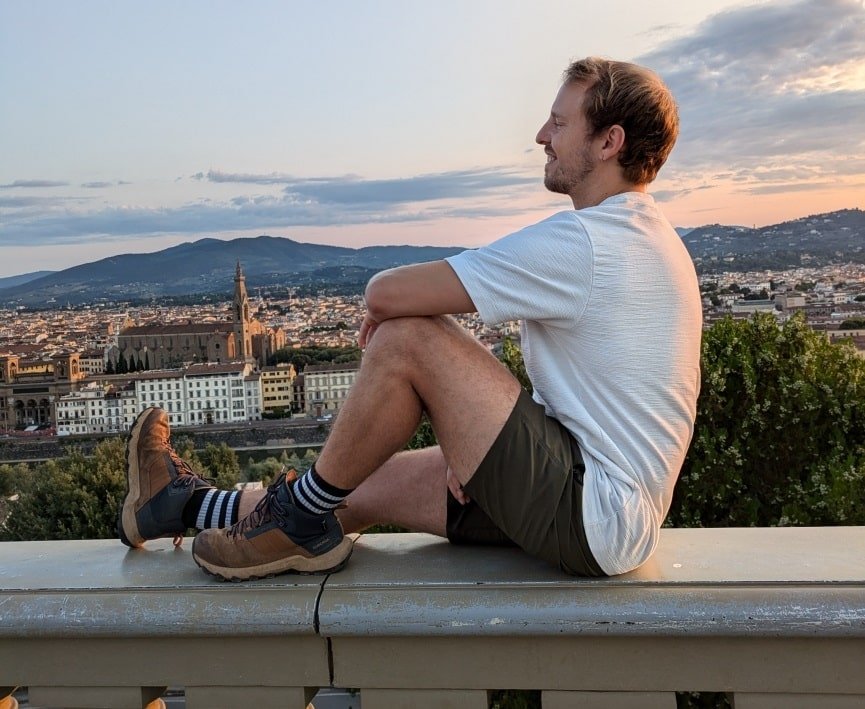
One of the fastest ways to torch a nomad budget is treating every two weeks like a vacation hop. I used to do it, chasing new stamps in my passport every month, only to realize half my income was disappearing on flights, airport taxis, and the mental exhaustion of settling in. Slow travel changed everything. By staying put for 8-12 weeks minimum in each spot, I cut relocation expenses by 60-70 percent and actually built routines that saved even more.
Here’s the math that convinced me. A typical one-way flight between Southeast Asian hubs runs $50-150, plus $30 baggage and $20 ground transport each time. Do that six times a year and you’re looking at $1,200 flushed before you even factor lost work days or the stress of hunting new SIM cards and apartments. Slow down and those costs vanish. In 2025 I spent four months in Da Nang, then eased over to Chiang Mai for another three. Total moving spend? Under $300 for the whole transition, including a comfy bus ride with Wi-Fi.
Implementation starts with mindset. Book your first month in a new place on a flexible platform, then negotiate direct with landlords for months two and three at a 20-40 percent discount. Use that time to join local Facebook groups for sublets and insider deals. You’ll uncover gems like a $280 furnished condo that short-term tourists never see. The bonus is deeper immersion. You learn which market has the cheapest mangoes, which cafe gives free refills to regulars, and which scooter rental guy won’t rip you off. My Chiang Mai landlord knocked $80 off after I stayed past the initial month and paid three in advance. Slow travel also lets you time visa runs or border hops during low season when tickets drop 50 percent. If you’re worried about burnout, build in one long weekend trip every six weeks using budget buses or trains instead of planes. Trust me, your bank account and sanity will thank you. I’ve met nomads who swear by the “three-month minimum” rule and never look back. It turns the lifestyle from expensive tourism into sustainable living.
- Negotiate long-term rentals and housesitting deals like a pro
Accommodation is usually 40-50 percent of a nomad budget, so treating it like a short-term tourist expense is financial suicide. I shifted to long-term thinking after one painful Airbnb month in Mexico City where cleaning fees and service charges added $400 to what should have been a $600 stay. Now I aim for 28-day minimums or better, and housesitting has saved me thousands.
Start by ditching pure short-term platforms after your first week of scouting. Use Facebook groups, local real estate WhatsApp channels, or apps like Facebook Marketplace and direct landlord contacts for 3-6 month leases. In Vietnam I found a beachfront studio for $420 by messaging owners on a local expat page and offering three months upfront. They dropped the price 25 percent and threw in utilities. The same goes for co-living setups that aren’t marketed as “nomad luxury” but function as shared houses with kitchens and fast internet. Some run $300-450 all-in with roommates who actually work during the day.
Housesitting is the ultimate hack if you’re open to pets or light chores. TrustedHousesitters and similar sites have exploded with opportunities in 2026, especially in places like Colombia and Thailand where owners want reliable remote workers to mind villas while they’re away. I scored a free month in a Medellín apartment with a pool last year, just by feeding two cats and watering plants. The key is building a strong profile with references from previous sits and being upfront about your work schedule. Combine it with slow travel and suddenly your biggest expense category shrinks to almost nothing. Pitfall to avoid: never commit without video calls and contracts. I once almost got burned by a sketchy listing until I insisted on a Zoom tour. Always factor in a small buffer for minor repairs or deposits, but overall this approach keeps housing under $400 even in decent locations. It’s not glamorous on paper, but waking up rent-free in a place you’d otherwise pay $1,200 for feels pretty ultimate.
- Cook at home and hunt for local markets to cut food bills
Eating out every meal sounds romantic until you realize it’s quietly draining $600-800 a month. I was guilty of it early on, chasing “authentic” street food that added up faster than expected. Switching to 70 percent home cooking slashed my food budget from $450 to $180-250 without feeling deprived. The secret is treating markets like your personal grocery store.

In most budget destinations, wet markets open at dawn with produce so fresh and cheap it makes supermarket runs feel like robbery. In Da Nang I buy enough veggies, rice, eggs, and herbs for a week’s stir-fries for under $15. Add chicken or tofu from the same stall and you’re eating like a local king for pennies. I dedicate one morning a week to stocking up, then batch-cook simple meals like fried rice, curries, or salads that store well. A $20 rice cooker and basic knife set from the market pay for themselves in days.
Don’t go full ascetic though. I still budget $80-100 for occasional street eats or cafe breakfasts because life’s too short to skip pho or arepas entirely. The balance keeps things sustainable. Apps like Google Translate help when pointing at ingredients, and joining local cooking groups on Facebook often leads to free recipe swaps and market tips from residents. One warning: avoid tourist-oriented “healthy” cafes that charge Western prices for avocado toast. I fell for that in Bali and regretted it every time my bill hit $8 for something I could make at home for $1. Track your spending for two weeks using a simple note app and you’ll spot the leaks immediately. My current system? Grocery runs twice a week max, one fun meal out, and zero delivery apps unless it’s a true emergency. The money saved goes straight into experiences I actually remember, like weekend hikes instead of another forgettable latte.
- Leverage free and public transport options everywhere you go
Transportation is sneaky. One $15 Grab ride here, a $10 scooter rental there, and suddenly you’re out $200 a month on top of everything else. I learned to treat walking and public systems as default after a brutal month in Bangkok where I ignored the BTS skytrain and wasted a fortune on taxis. Public options in budget nomad hubs are not only cheap but often faster and more interesting once you figure them out.
In Vietnam, Grab bikes or buses cost pennies compared to cars, but the real win is the local bus networks or just walking in compact cities like Chiang Mai’s old town. I bought a second-hand scooter for $300 in Da Nang that I resold for $250 when leaving, effectively renting it for $50 over three months. Gas was negligible. Many places now have city bike-share programs or e-scooter apps with daily caps under $5. The key is downloading local transport apps on arrival and experimenting during your first week while basing yourself centrally.
For longer moves, night buses or trains beat flying every time. I once traveled from Medellín to Bogotá for $25 on an overnight bus that included dinner and Wi-Fi, saving $150 versus a flight. Combine this with slow travel and your annual transport budget stays laughably low. Always carry a portable power bank for apps and maps, and learn basic phrases for asking directions. Safety first though: stick to well-lit routes at night and use ride-sharing ratings religiously. The payoff? More cash for actual adventures and a better sense of the city because you’re not sealed in an AC cab. I’ve logged thousands of kilometers this way and never felt restricted. If anything, it forces you to discover hidden alleys and local vibes you miss when rushing everywhere.
- Set up a reliable yet affordable remote work station
Nothing kills productivity and budget faster than flaky internet that forces you into expensive coworking spaces or cafe marathons. I wasted months bouncing between noisy spots until I invested smartly in a portable setup that works anywhere for under $50 a month total.
Start with a good local SIM data plan. In 2026 most budget countries offer unlimited 4G/5G for $10-20 monthly, way cheaper than roaming or international eSIMs long-term. Pair it with a portable router or just tether from your phone. Test speeds upon arrival using free tools, and have a backup cafe list for rare outages. For workspace, I rotate between free hotel lobbies, quiet parks with benches, and the occasional $5 day-pass coworking spot only when I need a printer or strong AC. Long-term apartments with dedicated desks are non-negotiable now. I always negotiate for one during rental talks.
Ergonomics matter too because doctor visits abroad add up. A $15 foldable laptop stand and cheap external keyboard from local markets keep my back happy without the $200 ergonomic gear some nomads swear by. Noise-cancelling earbuds under $30 handle distractions better than any fancy membership. My monthly workspace cost now averages $40 including data and the rare coworking day, down from $150 when I was cafe-hopping daily. The freedom feels incredible. I can work from a balcony overlooking mountains or a beach hammock if the mood strikes, all while keeping bills low. Test your setup thoroughly in the first 48 hours of a new location. Nothing worse than discovering slow speeds after you’ve committed to a lease.
- Use smart banking tools to avoid currency exchange rip-offs
Banks and ATMs are silent budget assassins. I lost $400 in one year to fees and terrible exchange rates before discovering the right combo of cards and apps. Now my money moves almost fee-free across borders.
Wise (formerly TransferWise) is still the MVP for holding multiple currencies and sending at real mid-market rates. I keep balances in USD, EUR, and local currencies as needed, converting only when rates look good. Pair it with a no-foreign-transaction-fee debit card like Charles Schwab or similar that reimburses ATM fees worldwide. In practice, I withdraw local cash once a month in larger amounts to minimize trips, then use digital wallets for daily spends where possible. Many 2026 destinations accept QR payments or Apple Pay equivalents that bypass card fees entirely.
Avoid carrying large cash amounts but always have a hidden emergency stash. I also use crypto for certain transfers in places with volatile currencies, but only small amounts through reputable exchanges. Set up auto-alerts for fees and review statements weekly. One hack I picked up in Colombia: load a local bank app via Wise for even better rates on bills. My total banking cost per month now sits at under $10, down from $80 when I was using a regular US bank abroad. It adds up to real savings over a year, easily funding an extra trip or buffer. Shop around for the best card options before you leave home and test everything on a short practice run. Your future self will high-five you when the exchange rates swing in your favor.
- Prioritize preventive health and find affordable insurance alternatives
Health scares can destroy a frugal budget overnight. I learned this after a minor infection in Thailand turned into a $300 clinic visit because I skipped basic prevention. Now I treat wellness as a non-negotiable line item that actually saves money long-term.
Basic international insurance tailored for nomads starts around $50-80 monthly for decent coverage, but I mix it with local clinics for routine stuff where costs are fractions of Western prices. In Vietnam a doctor visit runs $15-25 including meds. The real savings come from prevention: good water filter, probiotics, basic first-aid kit, and annual check-ups before big moves. I walk 10,000 steps daily as default transport and cook fresh to avoid the gut issues that plague junk-food nomads.
For bigger needs, research country-specific public health options or short-term local policies that cover gaps. Build a $1,000 health emergency fund separate from travel savings. Mental health counts too. Free apps for meditation and joining nomad running or yoga groups keep costs down while combating isolation. I canceled my overpriced home-country gym membership years ago and haven’t missed it. Total health spend averages $70 a month including insurance and vitamins. Compare that to the thousands some nomads drop on surprise dental work or therapy sessions after burnout. Stay ahead of it and your budget stays healthy too.
- Discover free and low-cost ways to enjoy local culture and fun
The temptation to “experience everything” can balloon entertainment spending to $300+ monthly. I cap mine at $100 by leaning hard into free and local options that often beat paid tourist traps anyway.
Most destinations have free walking tours (tip-based), public parks, hiking trails, and cultural festivals year-round. In Chiang Mai I joined temple meditation sessions for free and hiked Doi Suthep on my own instead of paying for tours. Street markets double as evening entertainment with people-watching and cheap snacks. Libraries or university campuses often have free Wi-Fi and events open to visitors. I make a game of finding one new free activity per week through local Facebook groups or apps like Eventbrite filtered for no-cost.
Budget $40-60 for the occasional paid experience like a cooking class or guided hike that delivers real value, but skip repetitive stuff like bar nights unless it’s a special occasion. Host potlucks with other nomads instead of restaurant dinners. The social connections are better and the cost is basically zero. My favorite memory from 2025 was a free community beach cleanup in Da Nang that turned into an all-day picnic with locals. Way more fulfilling than another $50 night out. Track it like any expense category and you’ll naturally shift toward meaningful fun that doesn’t require a credit card.
- Adopt minimalism in gear and shop second-hand for essentials
Lugging expensive gear or constantly replacing stuff is a hidden money pit. I travel with one 40L backpack and a personal item, having sold or donated 80 percent of my possessions before going full nomad. Minimalism isn’t just aesthetic. It saves hundreds on baggage fees, storage, and impulse buys.
Buy quality basics once (like a durable rain jacket or power bank) and maintain them. For everything else, hit local second-hand markets or Facebook groups upon arrival. I scored a perfectly good laptop stand, backpack, and even a portable monitor for under $40 total across multiple stops. Sell or donate before leaving to recoup cash. Apps like Vinted or local equivalents make this seamless.
The mental clarity from owning less is a bonus. No more decision fatigue over what to pack or ship. My entire tech kit fits in a small pouch and costs nothing monthly beyond occasional replacements every couple years. This approach keeps my “gear budget” near zero while ensuring I’m never weighed down. It’s liberating in ways I didn’t expect when I started.
- Stay legal on a budget: visa runs, digital nomad visas, and tax hacks
Legal headaches cost more than most realize when fines or rushed flights enter the picture. I treat compliance as a skill, not a burden, and keep those expenses minimal through planning.
Research digital nomad visas early. Many in 2026 like those in Portugal or newer ones in Eastern Europe offer reasonable fees and long stays if you meet income thresholds. For shorter trips, timed border runs or visa-free extensions work if you plan around low-season fares. I use tools to track expiration dates religiously and build buffer time into slow travel schedules.
On taxes, consult a basic nomad-friendly accountant once a year rather than winging it. Simple structures like LLCs in low-tax spots can save thousands legally. Keep records of every expense digitally for deductions. My annual legal/visa spend stays under $400 by avoiding panic moves. Get this right and it becomes just another smart system rather than a surprise drain.
- Build multiple income streams to buffer your budget
Relying on one client or gig is risky when exchange rates or contracts shift. I added freelance writing and digital product sales years ago, creating a $500-800 monthly buffer that cushions lean travel periods.
Start small. Offer skills on platforms during downtime or create passive assets like Notion templates or e-books about your niche. Even $200 extra monthly changes the game for frugal living. It also funds the occasional splurge without guilt. Diversification turned my budget from stressful to flexible, letting me say yes to opportunities instead of always hunting the cheapest option.
- Track expenses religiously with simple tools and habits
Without tracking, even the best tips fail. I use a basic spreadsheet synced across devices plus weekly reviews. No fancy apps needed, though free ones like Expense Manager work fine. Categorize everything and set alerts for overages. Monthly audits show patterns, like that time coffee runs crept up to $90. Adjust and move on. This habit alone has saved me thousands by catching leaks early. Review, tweak, repeat. It’s boring but it compounds into real freedom.
Wrapping this up, these 13 tips aren’t theoretical. They’ve kept me on the road through economic ups and downs while actually enjoying the lifestyle instead of surviving it. Frugal nomading means trading mindless spending for intentional choices that align with why you started this journey in the first place. Start with one or two that resonate most, build the systems slowly, and watch your freedom expand. The world is full of affordable beauty if you know how to look. Pack light, think long-term, and remember that the best views often come with the smallest price tags. Safe travels. Your wallet and future self will thank you.