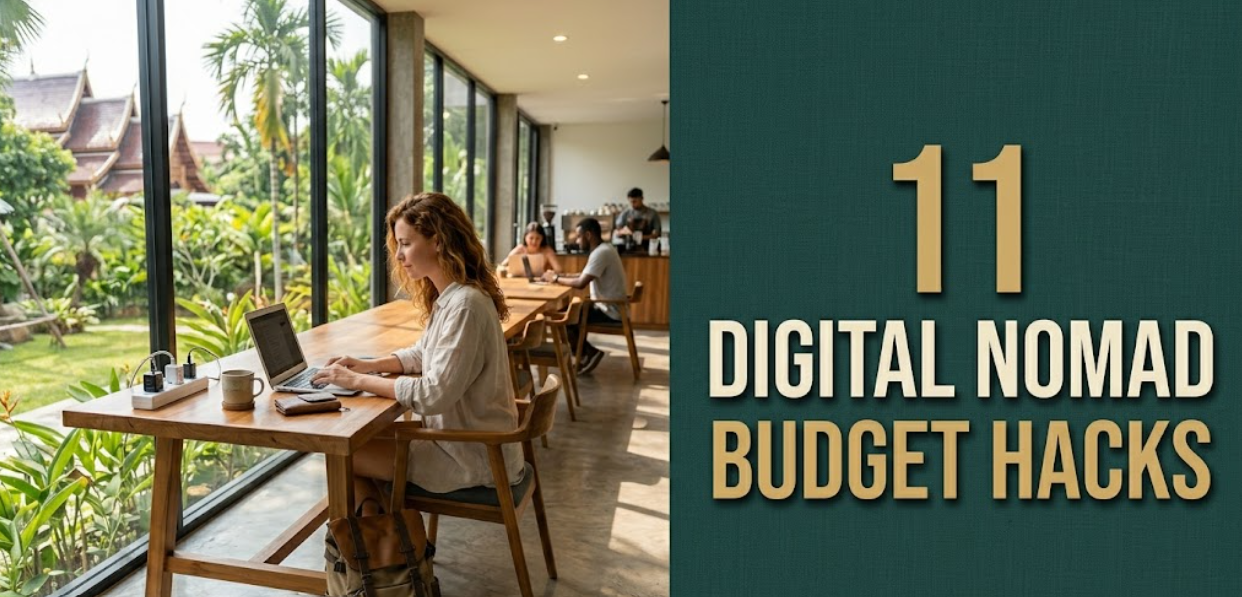
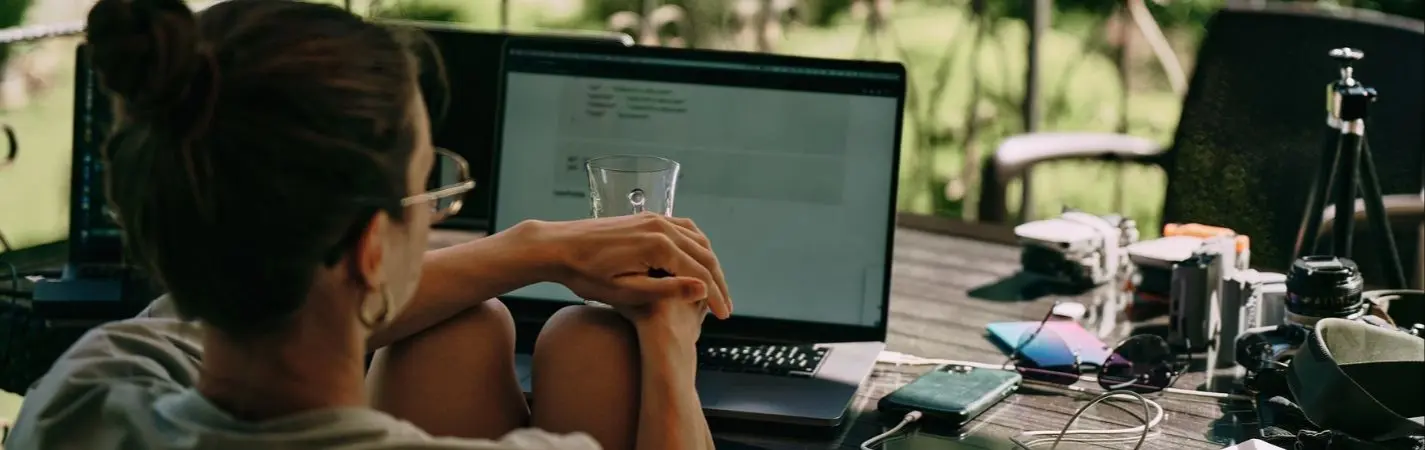
Hey, if you’re scrolling through this because the idea of packing up your laptop and working from some beach in Thailand or a cozy cafe in Portugal has been rattling around in your head for months, I get it. I was you once. Five years ago I quit my desk job in a rainy city back home, sold most of my stuff, and landed in Bali with a backpack and a vague plan to make it work on whatever savings I had scraped together. The first three months were a mess—overpaying for everything, stressing about every rupiah, and wondering if I’d made a huge mistake. But somewhere along the way I started piecing together these little tricks that nobody really talks about in the glossy nomad Instagram posts. Not the obvious stuff like “eat local” or “use public transport.” These are the sneaky, battle-tested setups that have quietly shaved thousands off my monthly burn rate while letting me actually enjoy the lifestyle instead of just surviving it.
The truth is, most digital nomads burn out not because they can’t earn money remotely, but because their setup eats their income alive before it even hits the bank. Rent, internet, random fees, surprise visas, and that creeping lifestyle inflation from “just one more nice meal” add up fast. I’ve lived in over a dozen countries since then, from high-cost spots like Lisbon to dirt-cheap ones like northern Vietnam, and these 13 hacks are what let me keep my average monthly spend between $1,200 and $1,800 even when I’m not pinching pennies. They’re not flashy. They don’t require perfect credit or some secret nomad club membership. But they work because they’re built on slowing down, negotiating like a local, and treating your budget like a flexible system instead of a straightjacket. If you’re serious about setting up abroad without draining your savings in the first year, stick with me. I’ll walk you through each one with the exact steps I use, plus the real numbers from my own spreadsheets and the mistakes I made so you don’t have to.
Hack 1: Lock in the 28-day discount loop on platforms most people abandon too soon
Everybody knows Airbnb has monthly discounts, but the real secret is timing your stays to hit that 28-day sweet spot and then flipping to local landlord deals before the platform takes another cut. I learned this the hard way in Chiang Mai when I booked a cute studio for three weeks and watched the price jump 40% the next month. Now I always plan my arrivals so the booking calendar flips into the long-stay discount automatically. On Flatio or Booking.com’s long-term filters you can snag furnished apartments with verified fiber internet for 20-35% less than short-term rates, and utilities often get bundled in. The trick nobody mentions is messaging hosts two weeks before your 28 days end with a polite “I’m loving it here and would like to extend locally if we can skip the platform fee.” In Southeast Asia and Eastern Europe I’ve closed deals that knocked another $150-250 off the monthly rent because landlords hate the 15-20% cut platforms take.
Last year in Tbilisi I found a one-bedroom with a balcony and mountain view for $420 after the discount loop—down from $650 on Airbnb. The owner even threw in a washing machine I didn’t ask for because I offered to pay three months upfront in cash. Do the math: over a year that’s $2,760 saved just on housing. The setup hack is simple—use Numbeo to check local rental averages first, then filter for places with “long term” or “monthly” tags. Always inspect in person during the last week of your trial stay. And never reveal you’re a nomad until after you’ve negotiated; some hosts jack prices when they hear “digital.” It feels a little sneaky at first, but it’s just playing the same game locals do.
Hack 2: Turn house-sitting into your rent-free safety net with a multi-platform rotation
TrustedHousesitters and Nomador aren’t just for retirees anymore. The secret is treating them like a rotation system instead of a one-off gamble. I keep profiles active on both plus a couple of Facebook groups like “Digital Nomads House Sit Exchange.” The key is building a portfolio of glowing references from short sits first—pet a cat for a weekend in Lisbon, water plants for a week in Mexico City—so when a juicy two-month sit in Portugal pops up you’re the first applicant with proof you won’t trash the place. I once scored six weeks in a villa outside Lisbon completely free, utilities included, while the owners were in Australia. That alone saved me $2,100 in rent and gave me a home office overlooking the ocean.

The setup hack most people miss is timing applications around shoulder seasons when owners are more desperate for reliable sitters. I apply 8-10 weeks out, include a short video intro of me working quietly at a desk (shows I’m not a party animal), and always offer to send daily photo updates. In exchange I’ve lived in everything from a Barcelona apartment to a farm in rural Georgia. Downsides? You have to be flexible with dates and sometimes deal with pets or chores. But the community angle is huge—you meet locals through the owners’ friends, score insider restaurant tips, and often get invited to dinner. Over two years I’ve spent roughly four months rent-free this way. Combine it with the 28-day hack above and your housing line item can drop to near zero for stretches.
Hack 3: eSIM stacking for seamless data that costs less than a single local SIM
Forget buying a new SIM every border crossing and dealing with activation headaches. The real budget killer is data roaming or overpriced pocket WiFi. I run a dual eSIM setup on my phone—one global plan for backup and one country-specific top-up. Services like Ohayu or Airalo let me grab 5-10GB for a month in most places for around $8-12. The secret is layering: install the global eSIM first for arrival day coverage, then swap to the local profile once I’m settled. In Vietnam I paid $9 for unlimited data across three cities for 30 days; in Europe the same setup runs me about $15 but covers four countries without swapping cards.
I always keep a secondary eSIM from my home country as emergency fallback. The setup takes ten minutes in the airport bathroom, and I never pay tourist SIM rip-off prices again. Pro tip: test speeds in the app before committing to a plan. In places like Indonesia where 4G is spotty I add a cheap local physical SIM for voice calls only (under $5) and keep data on eSIM. This combo has cut my connectivity budget from $60-80 a month down to $20-35 consistently. And because it’s all app-based I can pause and resume plans when I slow travel. No more wasted data on flights or layovers.
Hack 4: Wise multi-currency accounts plus ATM fee arbitrage that banks don’t advertise
Most nomads know about Wise by now, but the secret sauce is using their debit card in combination with local ATM strategies and holding multiple currencies. I keep balances in USD, EUR, and whatever local currency I’m heading to. When I land in a new country I convert just enough for the first week at mid-market rate (zero markup), then withdraw larger amounts—$300-500 at a time—from fee-free ATMs to minimize per-transaction hits. In some countries like Thailand or Georgia there are networks of “no fee” ATMs if you know which bank apps to check via local Facebook groups.
Last year this saved me $340 in foreign transaction and ATM fees alone. The setup is easy: open the account before you leave, order the card, and link it to your main freelance income stream. I also set up recurring auto-transfers from my high-yield home account into Wise so money moves without me thinking about exchange rates. Pair it with a no-foreign-fee credit card for big purchases and you’ve basically eliminated 3-5% leaks that most travelers bleed every month. It’s boring until you look at your year-end spreadsheet and realize those “small” fees would have funded an extra flight home.
Hack 5: Local market loops and thermos coffee rituals that slash food costs in half
Eating out every day is the fastest way to watch your budget evaporate. My hack is the “market loop”: I hit the same fresh market or wet market two or three times a week, buy only what I can cook that day, and batch simple meals. In Bali I spent $4 on vegetables, rice, eggs, and spices that lasted three days of stir-fries and omelets. Add a $12 reusable thermos from the local shop and I stopped buying $3-5 takeaway coffees forever. That’s easily $80-120 saved monthly just on caffeine.
The secret is learning three local staple dishes per country and mastering them in whatever kitchen you have. In Mexico it’s tortilla soup with market avocados; in Georgia it’s khachapuri using cheap cheese. I carry a small spice kit in my backpack so flavors stay consistent even when ingredients change. Street food is fine if you follow the “long queue + high Google rating” rule, but I limit it to twice a week as a treat. This setup keeps my food line at $250-350 even in mid-range cities. And cooking forces me to slow down, meet vendors who become friends, and actually taste the place instead of just consuming it.
Hack 6: Monthly transit passes combined with bike-share apps and Rome2Rio rerouting
Taxis and Ubers add up faster than you think when you’re exploring a new city every few months. I buy local monthly transport passes the day I arrive—usually $20-40 for unlimited bus/metro—and pair them with free bike-share apps. In Lisbon the monthly pass plus occasional e-scooter rides kept me under $35 for transport. The hidden hack is using Rome2Rio not just for routes but to find the cheapest multi-leg combinations involving ferries or local trains that tourists overlook.
I also scout second-hand bikes on Facebook Marketplace once I’m staying longer than a month; $50-80 gets me reliable wheels that I sell before leaving. In Chiang Mai I rode everywhere for six weeks and saved $180 compared to Grab rides. The setup mindset is “never default to convenience apps.” It takes an extra five minutes of research but compounds massively over a year.
Hack 7: Digital nomad visa stacking and quiet border runs that extend stays legally
Visa stress is real, but the secret is planning a rolling 12-18 month calendar of overlapping options instead of panicking every 90 days. Countries like Portugal, Mexico, and Thailand have proper nomad visas now with income proofs that most freelancers already meet. I layer them: do three months on a tourist stamp, switch to a nomad visa, then use a short visa run if needed. The real hack is joining country-specific Facebook groups where people share which consulates are lenient and which lawyers offer group discounts on extensions.
I once chained a Bali social visa into a Georgia one-year residency permit and saved $900 in rushed flights and fees. Always factor visa costs into your budget spreadsheet from day one—$200-600 per year depending on route—and keep digital scans of everything in a password manager. It turns a headache into just another monthly line item.
Hack 8: Free or near-free workspace rotation using libraries, hotel lobbies, and co-living lounges
Coworking spaces are nice but they add $100-200 easily. My rotation is libraries (often free with fast WiFi), quiet hotel lobbies during off-peak hours (buy one cheap coffee and stay four hours), and the shared lounges in co-living buildings I sometimes rent from. In Medellín public libraries have power outlets and views; in Lisbon I rotate between three different cafe chains that never kick you out if you nurse one drink. The setup secret is scouting three reliable spots per city in the first 48 hours and rotating so no single place gets tired of you.
This keeps my workspace cost under $30 most months. Bonus: libraries and hotel lobbies attract locals, so you pick up language tips and sometimes freelance leads.
Hack 9: Nomad-specific insurance bundles that actually reimburse without drama
SafetyWing and World Nomads have plans starting at $45-60 a month that cover remote workers properly. The hack is buying the annual option and treating it as non-negotiable core cost, then submitting every little claim (even $20 pharmacy runs) to build a paper trail. I had a scooter accident in Thailand and got 80% back because I documented everything. Shop around once a year but never skip coverage—medical bills abroad can wipe out years of savings.
Hack 10: Credit card points farming tailored to nomad spending patterns
I have two travel cards that earn points on foreign spend and groceries. The secret is putting all recurring bills and big purchases through them, then redeeming for flights or hotel credits. Last year I flew round-trip to Europe twice using points I earned while living in Asia. Set up auto-payments so you never miss rewards, and track categories monthly to maximize.
Hack 11: Minimalist second-hand gear loops in every new country
I arrived with one backpack and now replace or upgrade items locally via flea markets and apps. Sold my old laptop sleeve in Vietnam for $15 and bought a better one for $8. Keeps luggage light and costs near zero for replacements.
Hack 12: Private Facebook groups and Meetup barters for everything from SIM deals to apartment shares
The real insider network isn’t public Reddit—it’s the closed nomad groups where people post last-minute sublets, group taxi shares, and even skill barters (I traded website help for free yoga classes in Bali). Lurk first, then contribute value.
Hack 13: Burnout buffer automation and the 3-month “pause fund” rule
I auto-transfer 10% of every invoice into a separate high-yield account labeled “pause fund.” When income dips or I just need a break, I dip into it guilt-free. Combined with a simple Google Sheet that auto-converts currencies, this system keeps me from lifestyle creep and gives peace of mind.
These hacks aren’t magic, but stacked together they create a setup where your money works for the adventure instead of against it. I’ve gone from barely scraping by to comfortably exploring while still saving for the future. Start with two or three that fit your style, track everything for 30 days, then add more. The lifestyle is possible on less than you think if you stop treating every expense like a vacation splurge. Pack light, stay curious, and remember the best views are usually the ones you find when you’re not rushing to the next expensive thing. Safe travels—I’ll see you out there somewhere.