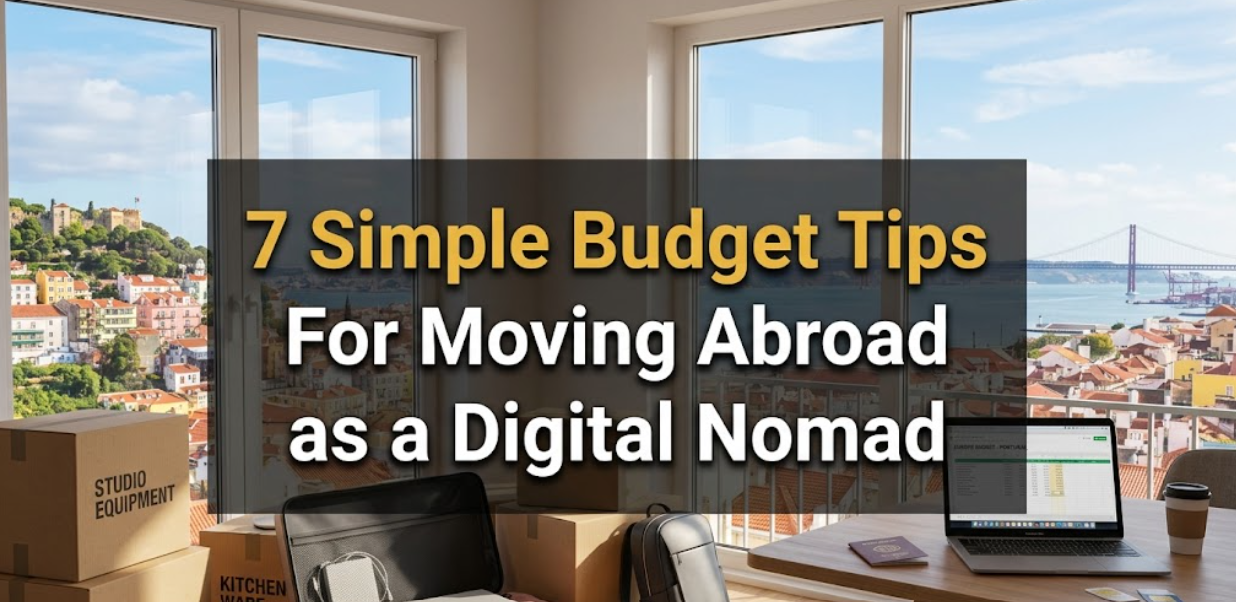

That you can live and work from literally anywhere in the world? But if you don’t budget your money and pay heed to the local culture, that dream can become a stress-inducing mess really quickly.
The good news? A few smart habits can go a long way.
These digital nomad budget cultural tips are going to ensure that you not only have money left for adventures, but also do things as they truly are in your new country and make real connections with the locals. There’s nothing worse than having an awkward situation because you just didn’t know how things were done somewhere new.
Let’s get into it.
Why Budget and Culture Are Two Sides of the Same Coin
Money and culture are approached as two separate topics by most nomad advice. But they’re tightly connected.
Knowing local culture means understanding where to shop, what to eat, how much to bargain, and what not to do. That knowledge saves you money, literally. This also earns you respect with people in the surrounding.
A tourist pays tourist prices. A culturally informed nomad pays local prices.
That’s the difference these tips aim to make.
Tip 1 — Cost of Living Research Before Landing
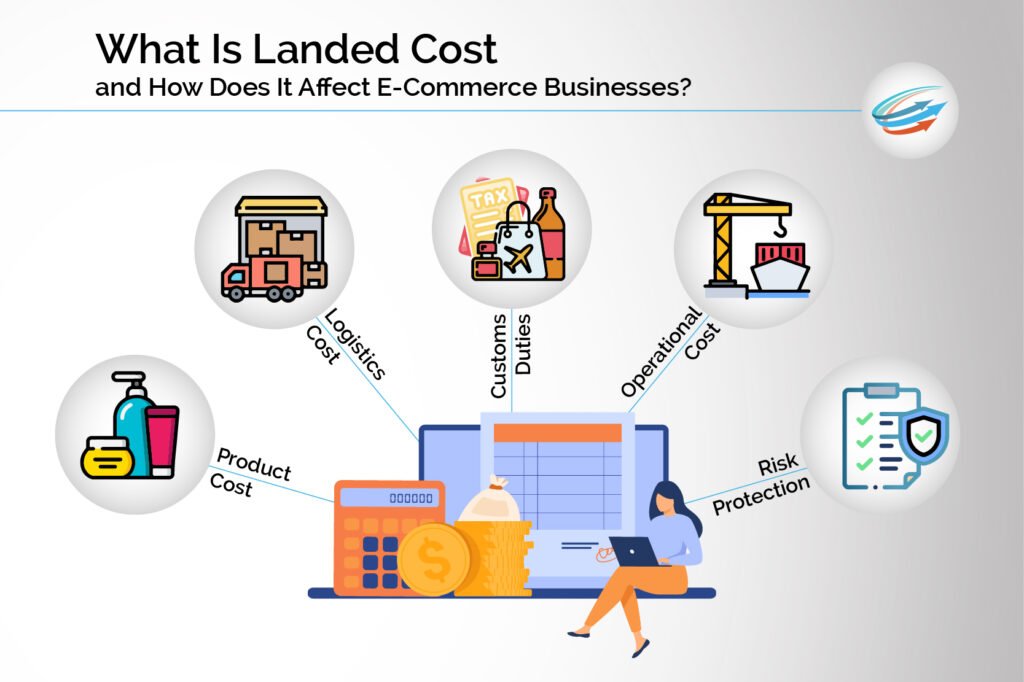
Don’t ever land in a new country without knowing the basics.
Find out:
- How much does a meal for a local cost vs. one at a tourist restaurant?
- What’s the average monthly rent in where you want to live?
- What is the currency exchange rate today?
Sites like Numbeo and Expatistan break down costs by individual city. Spend half an hour there before booking anything.
Understanding these figures means you can set a realistic budget right from day one — as opposed to running out of money three weeks in.
Quick city cost comparison snapshot
| City | Avg. Monthly Rent (1BR) | Local Meal Cost | Coworking/Month |
|---|---|---|---|
| Chiang Mai, Thailand | $300–$450 | $1–$2 | $80–$120 |
| Medellín, Colombia | $400–$600 | $2–$4 | $100–$150 |
| Tbilisi, Georgia | $350–$500 | $2–$5 | $80–$130 |
| Lisbon, Portugal | $900–$1,400 | $5–$10 | $150–$200 |
| Bali, Indonesia | $400–$700 | $1.50–$3 | $90–$130 |
Tip 2 — Dine Where the Locals Do
This is one of the easiest ways to shave approximately 60–70% off your food bill.
Street food stalls, market vendors, and small family-run restaurants are almost always going to be pumping out better, fresher food than places that cater to tourists — at a fraction of the price.
A bowl of pad thai from a street vendor in Thailand costs about $1. The same dish at a restaurant down the street from most tourists? Easily $6–$8.
Cultural tip: Note where local workers eat lunch. Follow them. That’s your guide to inexpensive, authentic meals.
Steer clear of restaurants that have menus in five languages and photos of each dish. Those signs are intended to draw tourists — and bill them accordingly.
Tip 3 — Learn Some Basic Local Phrases (It Literally Pays Off)
You don’t need to be fluent. Even 10 local-language words can make a big difference in how people treat you.
If you say hello to a market vendor in their language, they are more apt to give you the local price. Once you thank a landlord in their native tongue, they’ll be more likely to trust you with their apartment.
Common words/phrases to learn for all locations:
- Hello / Good morning
- Thank you
- How much does this cost?
- That’s too expensive
- Do you have a discount?
Apps like Duolingo, Google Translate, and Pimsleur make this easy. Even just 15 minutes a day in the week leading up to your arrival can make a significant impact.
This tip costs nothing. It can save you a lot.
Tip 4 — Local Banks and Payment Methods
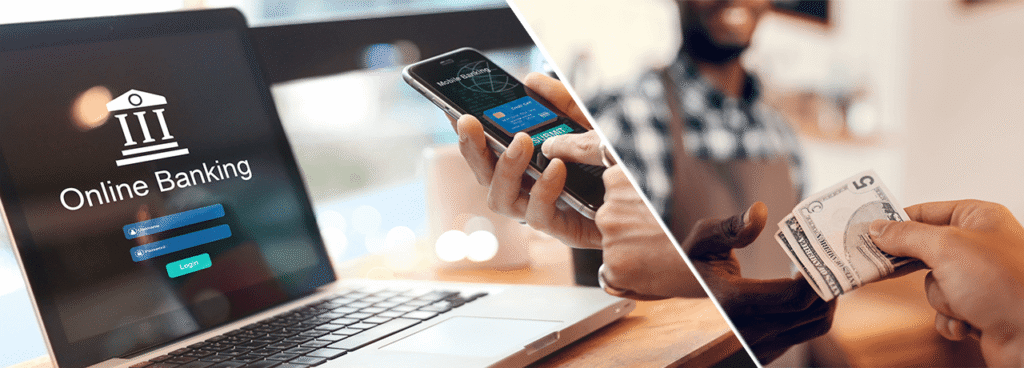
One of the costliest mistakes that nomads make is exchanging money at airport kiosks.
Exchange rates at airports are even 10–15% worse than what you would receive anywhere else. ATM fees stack up. There is an additional 3% for international card charges.
Smarter options:
- Wise (previously TransferWise): Exchange at the true mid-market rate with small fees.
- Revolut: Ideal for spending in local currency with no hidden markups.
- Local ATMs in a supermarket or bank: Typically better rates than a standalone kiosk.
Cultural tip: Some countries are cash-based societies. Some parts of Southeast Asia, Central America, and Eastern Europe still depend heavily on cash. Always pack some local currency even if you prefer cards.
Knowing this in advance helps you avoid being caught without cash in a country where cards aren’t accepted everywhere.
Tip 5 — Negotiate Your Rent Like a Local (Not a Tourist)
In many countries, the advertised price for long-term housing is merely a starting point.
Negotiating is not impolite — it’s expected.
If you will be staying a month or more, many landlords in locations like Bali, Colombia, Mexico, and Southeast Asia actually expect some negotiation. A courteous, professional request for a discount can shave 10–25% off your monthly rent.
How to negotiate well:
- Offer to pay in cash
- Pay several months ahead
- Inquire about what is included (WiFi, utilities, cleaning)
- Mention what’s available nearby and compare casually
Cultural tip: Aggressive bargaining is offensive in some cultures. In others, it’s a sign of engagement. Research the local negotiation style. In Thailand, keep it lighter and smiling. In Morocco, it is likely to be a longer back-and-forth.
Getting this right feels like a huge victory — because it is.
Tip 6 — Plan Your Travel Around an Off-Season or Local Festival
This tip can go both ways — sometimes festivals save you money, sometimes they get expensive.
Festival savings: Many local and seasonal festivals usually see a number of markets, street food vendors, and community events open up. Costs are cheap, food is bountiful, and you get a rich cultural experience for nearly nothing. Think Songkran in Thailand, Diwali in India, or the local harvest festivals found throughout Latin America.
Off-season savings: Traveling before or after the main tourist season can save you 30–50% on your accommodation. The weather is usually still good, the crowds have disappeared, and prices plummet.
What to avoid: Booking accommodation in a city that’s hosting a large international event — like SXSW in Austin, Carnival in Rio, or the Edinburgh Fringe — when prices have more than quadrupled across the board.
Timing is more important than most nomads think.
Tip 7 — Local Facebook Groups and Expat Networks
Before you settle somewhere foreign, scour the ground for the local nomad and expat community.
These groups are goldmines of practical, current information:
- Where to find an affordable, safe area to live
- Which landlords are trustworthy
- Which coworking spaces have the best prices
- Where locals actually purchase staples
- Which SIM card offers the best data
Search “digital nomads [city name]” on Facebook. Also check on Reddit (r/digitalnomad, r/solotravel) and Nomad List.
Cultural tip: When you finally make your move, go to one local meetup or community event. This grants you genuine human connections and typically results in shared accommodation suggestions, a roommate opportunity, or even referrals to affordable services that you would never have located online.
Individuals within these communities frequently share things that never make it online.
Tip 8 — Create a Bare-Bones Monthly Budget and Stick to It
V
visualize
V
visualize show_widget
https://5f2d14e589c9bff8777c4ec13de74ff3.claudemcpcontent.com/mcp_apps?connect-src=https%3A%2F%2Fesm.sh+https%3A%2F%2Fcdnjs.cloudflare.com+https%3A%2F%2Fcdn.jsdelivr.net+https%3A%2F%2Funpkg.com&resource-src=https%3A%2F%2Fesm.sh+https%3A%2F%2Fcdnjs.cloudflare.com+https%3A%2F%2Fcdn.jsdelivr.net+https%3A%2F%2Funpkg.com+https%3A%2F%2Fassets.claude.ai&dev=true
The most underrated category for many nomads, though, is culture and entertainment.
This isn’t optional spending. Visiting local markets, attending cultural events, and exploring the country you live in helps you understand local pricing, build connections, and enjoy your experience enough to stay longer — which always saves money compared to constant relocation.
Budget for it intentionally. Even $60–$100 a month goes a long way in most countries.
For more detailed budgeting guidance tailored to nomad life, check out Digital Nomad Budget — a dedicated resource for smart financial planning on the road.
Tools to track your spending:
- Trail Wallet (iOS) — basic, travel-focused
- YNAB (You Need A Budget) — best for granular tracking
- Notion — create your own nomad budget spreadsheet
- Splitwise — useful if you’re sharing costs with a travel partner
Check your spending every Friday. A weekly review catches problems before they become disasters.
Tip 9 — Follow the Dress Code and Cultural Customs (It Protects Your Wallet Too)
That sounds like an entirely cultural tip. But it has actual monetary implications.
In some countries, inappropriate attire can land you:
- Not allowed to enter temples, government buildings, or local events
- Being charged an extra fee at the door for “tourist appropriate” clothing
- Cheated or charged more because you stand out as an uninformed visitor
- Fined by officials in countries with rigid dress codes
Examples to know:
- In Morocco, Thailand, India, and Turkey — cover shoulders and knees when entering religious sites. Most temples will charge you to rent a sarong if you forgot.
- In some regions of Southeast Asia — it is compulsory to remove your shoes before entering a residence. Ignoring this is deeply offensive.
- In Japan — tattoos are still not accepted in many onsen (hot springs) and some restaurants. Plan accordingly.
Even partial fitting in earns trust with locals. That trust yields better prices, better recommendations, and a vastly richer experience.
Tip 10 — Take Local Transport, Not Tourist Transport
Transport is probably the biggest budget trap for nomads.
Tourist transport: Street-flagged taxis, hotel-arranged shuttles, tourist bus companies at twice the price.
Local transport: App-based ride hailing (Grab in Southeast Asia, inDriver in Latin America and Africa), local buses, shared minivans (called “songthaew” in Thailand and “collectivos” in Latin America), motorbike taxis.
The cost difference is dramatic. A 20-minute Grab ride might cost $1.50. A tourist taxi would charge $8–$12 for the same trip.
Cultural tip: In certain countries, public buses are a real social experience. You ride alongside students, workers, and families. You experience parts of the city tourists never see. You get a much clearer sense of how daily life actually functions.
That culture-informed perspective affects every other decision you make — including your financial ones.
According to Nomad List, the cities with the best balance of low cost and fast internet — like Chiang Mai, Medellín, and Tbilisi — also tend to have the most accessible and affordable local transport networks. That’s no coincidence.
Tip 11 — Don’t Shop at Expat Supermarkets — Go to Local Markets
Many big cities beloved by nomads offer food shopping in two tiers:
Tier 1 — Local wet markets and neighborhood shops: Fresh produce, meat, local staples at low prices. Vendors who actually know what things cost.
Tier 2 — Western-style supermarkets and expat grocery stores: Imported brands, home-country familiar goods, prices often 3–5x what you’d pay locally.
Buying local isn’t just budget-friendly. It directly supports the local economy and keeps your money in the community you live in.
Quick shopping tips:
- Go to the market in the early morning for the freshest produce and most affordable prices.
- Bring your own reusable bag — many countries have plastic bag charges.
- Learn what’s in season locally. Seasonal produce is always cheaper and fresher.
- Build a relationship with a vendor you like. Regular customers tend to get marginally better prices and first pick of good stock.
Cultural tip: It is common to haggle at wet markets (particularly in Southeast Asia and Africa). It isn’t at fixed-price supermarkets. Know the difference.
Tip 12 — Slow Travel Saves More Than You Think
This is possibly the ultimate budget tip of them all — and it has everything to do with cultural immersion.
Nomads move way too much most of the time. Every move is expensive: flights, visas, travel to and from airports, the first week settling into an area, and getting overcharged because you don’t yet know how much things should cost.
When you stay somewhere a month or more:
- You sign a monthly lease rather than daily or weekly rates
- Instead of paying tourist prices out of ignorance, you seek out the cheap local spots
- You develop relationships with vendors and neighbors
- You really learn the culture, some of the language, and experience local life
- Visa runs and flight costs drop dramatically
The financial math is compelling:
A nomad who moves every 2 weeks could spend $600/month on transport and short-term accommodation premiums alone. A slow traveler who spends 2–3 months in one place could drop down to $200/month for those same categories — saving $4,800+ over the course of a year.
Cultural bonus: When you slow down, you actually experience a place. You no longer become a visitor sweeping through — you start to understand everyday life. That’s where the real cultural connection happens — and where nomad life becomes truly rewarding, not just a series of Instagram backdrops.
The Cultural Cost Breakdown of a Smart Nomad
| Before You Arrive | During Your Stay | Ongoing |
|---|---|---|
| Check cost of living | Eat local | Track weekly spending |
| Learn 10 phrases | Use public transport | Review monthly budget |
| Join Facebook groups | Buy from wet markets | Negotiate every renewal |
| Sign up to Wise or Revolut | Go to free local events | Stay a minimum of 30 days |
| Know the dress code norms | Build relationships with vendors | Adjust your budget seasonally |
Frequently Asked Questions
Q: How much money should I have to start as a digital nomad?
A: You can get started with $2,000–$3,000 saved for most people. This gives you some breathing space as you look for your first long-term accommodation deal and get to know the local pricing. Begin in a low-cost country like Thailand, Colombia, or Georgia to make that go further.
Q: Is it considered rude to bargain in foreign countries?
A: It depends. In street markets in Southeast Asia, Africa, and much of Latin America, bargaining is a natural and expected feature of shopping. In Japan, South Korea, and most Western European nations, prices are fixed and negotiation is considered bad form. Be sure to research local customs before trying.
Q: What is the most affordable way to handle international money as a nomad?
A: Use a multi-currency account like Wise or Revolut. These are converted at the true exchange rate with low fees. Check your own bank card before using it abroad — many will charge 3–5% per transaction internationally.
Q: Where can I look for local accommodation instead of Airbnb?
A: Join local Facebook groups for the city you’re visiting. Facebook Marketplace, Idealista (Europe), Craigslist, local property apps, and simply strolling neighborhoods you’re interested in and keeping an eye out for “for rent” signs all yield deals that never make it to tourist platforms. These are often 40–60% cheaper.
Q: How do I prevent being overcharged because I am a foreigner?
A: Before arriving, join expat groups and ask about local prices. When you’re on the ground, notice how much locals pay for similar things. Knowing a few words of the local language tells people you’re not just a passing tourist, which usually softens prices. Always confirm prices before you commit to a service.
Q: Do I really need travel insurance?
A: Yes — and not having it is a false economy. A single medical emergency abroad can cost more than an entire year’s worth of insurance premiums. Check out SafetyWing, World Nomads, or Genki for nomad-specific coverage that protects you across different countries.
Q: How can I remain culturally respectful without overthinking it?
A: Three basic starting points will help: dress appropriately for the context, learn a few words of the local language, and observe before acting. Watch how locals behave in a given situation before assuming your home-country norms apply. Most people in any culture appreciate the effort — even when you make little blunders.
Wrapping It Up
Living as a digital nomad on a smart budget doesn’t have to mean being cheap. It’s about being savvy with your cash while truly respecting the places and people you’re experiencing.
All of the advice here relates money to culture — because that’s how the world really is.
Knowing local customs means you’ll no longer pay tourist prices. When you slow down, you save money and actually see the country. Knowing a few words unlocks doors that remain closed for most visitors.
These digital nomad budget cultural tips are far more than about saving money. They’re about living better — with less waste, more connection, and a lot more of the real nomad experience that inspired you to do this in the first place.
Try one or two of these to begin with. Build from there. Your budget and your experience will both be better for it.