Wake up in a different city, work from a café, and discover the planet on your own terms.
But here’s the thing that no one tells you up front: money disappears quickly if you don’t have a plan.
The biggest mistake that new nomads make is acting as though their income will last and last. It won’t. Rent, food, coworking spaces, visas, health insurance and data plans — not to mention surprise expenses — all add up fast, often faster than anticipated.
The good news? There are sensible, proven methods to stretch your budget without sacrificing quality of life. These are not vague platitudes like, “spend less.” These are actual, actionable digital nomad budget hacks that thousands of remote workers employ each and every day to live excellent lifestyles abroad.
Let’s break them all down.
Hack No. 1: Pick Your Base City Like a Local — Not a Tourist
Why Location Is Your Most Important Budget Decision
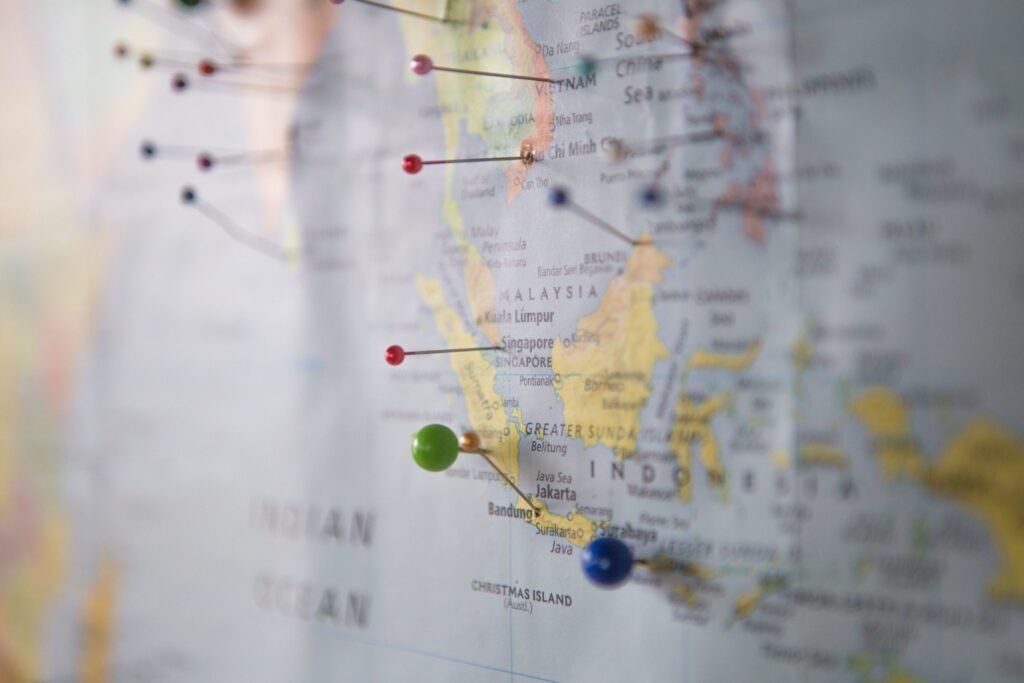
Before you book flights or pack bags, the second thing to know is this: your location accounts for 60–70% of your monthly costs.
A nomad based in Chiang Mai, Thailand pays a fraction of what a person living in Lisbon, Portugal pays — and often has comparably or even more quality of life. This is the magic of geo-arbitrage — earning in a strong currency and spending in a weaker one.
Geo-arbitrage is also the basis of every smart digital nomad budget. If you make USD, EUR, or GBP and spend in Thai Baht, Vietnamese Dong, or Mexican Peso — your money is working harder every day.
The All-Breaking Cost Comparison
A nomad can live the good life in Chiang Mai on between $800–$1,200/month. That lifestyle in Berlin is typically between $2,500–$3,500/month.
How to Pick Your Next Base
Before you commit to a city, put it through this checklist:
- Price for one-bedroom apartment — aim below $600/month
- Food (monthly average) — local markets and street food should be cheap and accessible
- Internet quality — research speeds on Nomad List or Speedtest global indexes
- Visa laws — do you have the option of staying legally 3–6 months?
- Working hours — do they coincide with your clients or team?
Some of the top value-based cities this year include Medellín (Colombia), Tbilisi (Georgia), Playa del Carmen (Mexico), Ho Chi Minh City (Vietnam) and Chiang Mai (Thailand).
These cities all score highly on the digital nomad index for fast internet speed, cheap rent and an active remote worker scene — ideal if you’re serious about maintaining a lean digital nomad budget.
Hack No. 2: Embrace Slow Travel
Stop Moving, Start Saving
Here’s a counterintuitive one: the more you move, the more you spend.
Moving from city to city, you are always paying for flights or buses, new SIM cards, short-term accommodation (always more expensive), unknown grocery stores and touristic restaurants.
In fact, slow travel — where you spend a minimum of 4–8 weeks in one location — is one of the most potent digital nomad budget hacks at your disposal.
The Costs of Always Moving
| Expense Category | Frequent Traveler (Monthly) | Slow Traveler (Monthly) |
|---|---|---|
| Accommodation | $1,200 (short-term/hotels) | $450 (monthly rental) |
| Transport | $400 (flights/buses) | $60 (local transit) |
| SIM/Data | $40 (3 cards/month) | $15 (one local plan) |
| Total Estimate | $2,140 | $725 |
The numbers speak clearly. In many of the places you might be — think Southeast Asia, Latin America — slowing down saves you more than $1,400 per month.
How to Negotiate Monthly Rates
If you stick around for the long term, you have real leverage.
Many landlords and Airbnb owners provide 20–40% discounts for stays of 28+ days. Always ask. The worst they can say is no.
There are monthly rentals that never appear on Airbnb — use Furnished Finder, Facebook groups for expats, Idealista or local housing WhatsApp groups to find them, as they are typically 30–50% cheaper for the same quality.
When contacting a host, the first thing to mention is your length of stay. That reads as a much stronger opening than “I’ll be there for a week.”
Hack No. 3: Create a Zero-Waste Food System
Eating Well Without Bleeding Money

Food is among the easiest budget categories to destroy — and one of the easiest to control.
New nomads, however, tend to get stuck in two ruts: eating at familiar tourist restaurants because that’s what they know, or ordering delivery every evening because cooking in a new place seems complicated.
Both habits can easily run $600–$900/month. In most places where budget travel is possible, a smart food system brings that figure down to about $150–$300/month.
The Three-Layer Food Strategy
Layer 1 — Street food and local markets (daily staples) A full hot meal costs $1–$3, bought at a street vendor or local canteen in cities such as Chiang Mai, Ho Chi Minh City or Medellín. This is actual, fresh, nutritious food. Make it your default.
Layer 2 — Grocery cooking (2–3 times a week) In your first 48 hours, locate the nearest supermarket or wet market. Cook simple, high-protein meals. Rice, eggs, vegetables and legumes are cheap worldwide and very filling.
Layer 3 — Restaurants (occasionally and with purpose) Book sit-down restaurant meals for social occasions or when you want to truly experience the local food. Spend $10–$20 on these meals and don’t feel guilty about it.
The right mix of street food, groceries and occasional restaurant meals can almost always find the sweet spot between cost and enjoyment.
Hack No. 4: Slash Your Banking and Currency Fees to Near Zero
The Silent Budget Killer That Most Nomads Overlook
This one is sneaky. The majority of nomads are bleeding cash every month through banking fees and poor currency exchange rates — and often don’t even realize it.
Here’s what is quietly draining your account:
- Foreign transaction fees (typically 1–3% per purchase)
- ATM withdrawal fees ($3–$10 per transaction)
- Terrible exchange rates at airport booths (typically 5–8% worse than market rate)
- International payments via PayPal and wire transfer
If you are spending $1,500/month and losing up to 5% in fees, that’s $900 a year for nothing.
How the Nomad Banking Stack Saves You Hundreds
Step 1 — Obtain a no-fee international debit card Cards from Wise, Revolut or Charles Schwab (US) offer the true mid-market exchange rate with ATM fees refunded. This is a given for any serious nomad on a budget.
Step 2 — Use Wise to get paid internationally If you work with overseas clients, Wise provides local bank account details in several currencies. You get paid like a local and convert only when rates are right.
Step 3 — Never accept dynamic currency conversion (DCC) When using ATMs or point-of-sale terminals abroad, always select to pay in local currency, not your home currency. The machine’s conversion rate is always inferior. This one simple habit saves you 3–5% on every transaction.
Step 4 — Maintain some cash for emergencies Always have 2–3 days’ worth of expenses in local cash. ATMs go down. Cards get blocked. Internet fails. Cash is your safety net.
Fees: Traditional Banks vs Nomad-Friendly Banking
| Traditional Bank | Wise / Revolut | |
|---|---|---|
| Foreign transaction fee | 2–3% | 0% |
| ATM fee per withdrawal | $5–$10 | Free (up to limit) |
| Exchange rate markup | 3–5% above market | Mid-market rate |
| Monthly cost | $10–$15 | Free or low-cost |
| International transfers | $20–$45 per transfer | Low flat fee |
Changing your banking setup is a one-off action that pays dividends every single month. This is one of the highest-ROI digital nomad budget hacks on this list.
Hack No. 5: Work More Efficiently Using Free and Inexpensive Tools
Your Workspace Doesn’t Have to Be Expensive
Coworking spaces are great. But a full-time coworking membership in many cities runs $120–$250/month. For the budget-minded nomad, that’s a significant line item.
Here’s how you can create a productive, connected workspace for far less.
The Hybrid Workspace Strategy
Cafés as your primary office Many cafés globally are specifically open to remote workers, particularly in nomad-popular cities. Buy a coffee or small meal, confirm the Wi-Fi password and you have an office for $3–$5. Look for cafés with speedy Wi-Fi, power outlets and comfortable seating — apps like Workfrom and Café WiFi help you locate them.
Libraries as your silent backup Many cities — particularly in Europe and North America — have great public libraries featuring free Wi-Fi, private study rooms and power outlets. Completely free.
Coworking day passes Most coworking spaces offer day passes for $5–$15. Use these only on days you need focused work, a professional background for a call or stable internet for a big deadline. Far cheaper than a monthly membership.
Hotspot as your emergency network Carry a portable Wi-Fi hotspot or a local SIM with a decent data plan. You’ll be glad to have it when café Wi-Fi drops during an important meeting.
Tools You Don’t Pay a Dime For
| Tool | Use | Cost |
|---|---|---|
| Notion | Project management, notes | Free |
| Google Workspace | Docs, Sheets, Drive | Free (basic) |
| Canva | Design work | Free plan available |
| Loom | Async video updates | Free (up to 5 min) |
| Trello | Task management | Free |
| Signal | Secure messaging | Free |
| Bitwarden | Password manager | Free |
Utilizing free-tier tools throughout your workflow keeps your overhead low and your digital nomad budget in check.
Hack No. 6: Get a Jump on Your Taxes and Track Every Penny
The Cost That Shocks Most New Nomads
There might be nothing less sexy to talk about in the digital nomad space than tax planning. It’s also the one that hurts the most financially when you ignore it.
Nomads who don’t manage income and expenses properly can face thousands in taxes at filing time — without cash on hand to pay it.
The Golden Rule: Always Reserve 25–30% from Every Payment
When money hits your account — immediately move 25–30% to a separate savings account labeled “Taxes.” Don’t touch it. Treat it like it was never there.
This applies whether you are a freelancer, independent contractor, or self-employed in any country. You might pay less — but you’ll never be caught short.
Set Up a Tracking System from Day One
You can’t manage a budget you don’t track.
Track every single expense daily using an app like YNAB, Toshl or even just a Google Sheet. Spend 5 minutes each evening reviewing your spending. This habit alone is one of the most powerful digital nomad budget hacks because it creates genuine awareness.
Most nomads who begin tracking are alarmed to learn where money really goes — usually forgotten subscriptions, delivery fees or impulse purchases that seem small but add up fast.
Consider Your Tax Residency Situation
If you’re a long-term nomad, options worth exploring include the Foreign Earned Income Exclusion (FEIE) for Americans, or special nomad visa tax arrangements in countries like Portugal, Georgia or Thailand.
This is complex territory. Hire a tax professional who specializes in expats and digital nomads, such as Greenback Expat Taxes. One hour of quality advice can save you thousands.
Wrapping It All Up: Your Digital Nomad Budget Plan
Here’s a roundup of all six hacks and the potential monthly savings each one provides:
| Budget Hack | Monthly Average Savings |
|---|---|
| Geo-arbitrage: settle in budget cities | $800 – $2,000 |
| Slow travel with monthly rentals | $600 – $1,400 |
| Smart food system | $200 – $600 |
| Fee-free banking setup | $50 – $150 |
| Hybrid workspace strategy | $80 – $200 |
| Expense tracking + tax savings | $100 – $500 |
| Total Potential Savings Per Month | $1,830 – $4,850 |
These numbers are not theoretical. They are the actual difference between nomads who make it work long-term and those who burn out after six months when the money stopped working.
The Right Mindset Behind Every Budget Hack
Saving money isn’t about deprivation. It’s about optimization.
The best digital nomads don’t suffer on $1,000/month. They design a life in places where $1,000 can buy what $3,000 can’t in their home country. They eat amazing food at street vendors. They rent neat apartments in great neighborhoods. They work from lovely cafés for the cost of a latte.
The digital nomad budget hacks in this article are tools, not restrictions. Together they form the financial foundation that makes your nomadic lifestyle sustainable, rather than just a temporary escape.
Try one hack this week. Apply another next month. And in three months you will hardly recognize your old financial habits — and it will show on your bank balance.
Frequently Asked Questions About Digital Nomad Budget Hacks
Q: What is a rough estimate of how much I need to budget monthly as a beginner digital nomad? A: A good starting point in Southeast Asia or Latin America is $1,000–$1,500/month. That includes rent, food, transport, internet and a bit of fun. In Europe, allow $2,000–$2,500/month for a similar lifestyle.
Q: Is living abroad on $1,000 a month really possible? A: Yes — but only in certain destinations. Cities like Chiang Mai (Thailand), Medellín (Colombia) and Tbilisi (Georgia) are popular precisely because a nomad can live comfortably on $800–$1,200/month including rent, food and coworking.
Q: How do I get health insurance as a digital nomad on a budget? A: Check out nomad-specific plans from companies such as SafetyWing (starting around $45/month), World Nomads or Cigna Global. SafetyWing is the cheapest entry point and covers emergency medical care in most countries.
Q: What app should I use to track a digital nomad budget? A: The gold standard is YNAB (You Need A Budget) — though it does have a subscription fee. Toshl Finance or a custom Google Sheet are also great free options. The key is consistency: choose one and commit to using it every day.
Q: How frequently do I need to review my budget as a nomad? A: A quick 5-minute daily log (expenses only), a 15-minute weekly comparison (against your plan), and a thorough monthly review for allocation adjustments, savings checks and forward planning. This three-layer habit gives you complete control without obsessing over numbers.
Q: Should digital nomads worry about taxes? A: Absolutely. Many nomads assume they owe nothing. You may owe taxes in your home country based on your citizenship, residency and source of income while living abroad. Always consult a tax professional familiar with your nomadic situation before your first full year on the road.
Q: What is the quickest single change I can make to improve my digital nomad budget? A: Get an international debit card with no foreign transaction fees — Wise, Revolut or similar. You can set it up in 10 minutes and immediately stop paying foreign transaction fees and poor exchange rates on every single purchase abroad.
Final Thoughts
Leading a sustainable life abroad doesn’t happen by chance. It’s built on small, deliberate decisions — where you live and how long you stay, where you eat and how you bank, where you work and how mindfully you track the numbers.
These six digital nomad budget hacks are not shortcuts. They are the foundation that separates nomads who fold after one year from those still out there five years later.
The freedom you seek is real. And it’s more affordable than you think — if you plan appropriately.