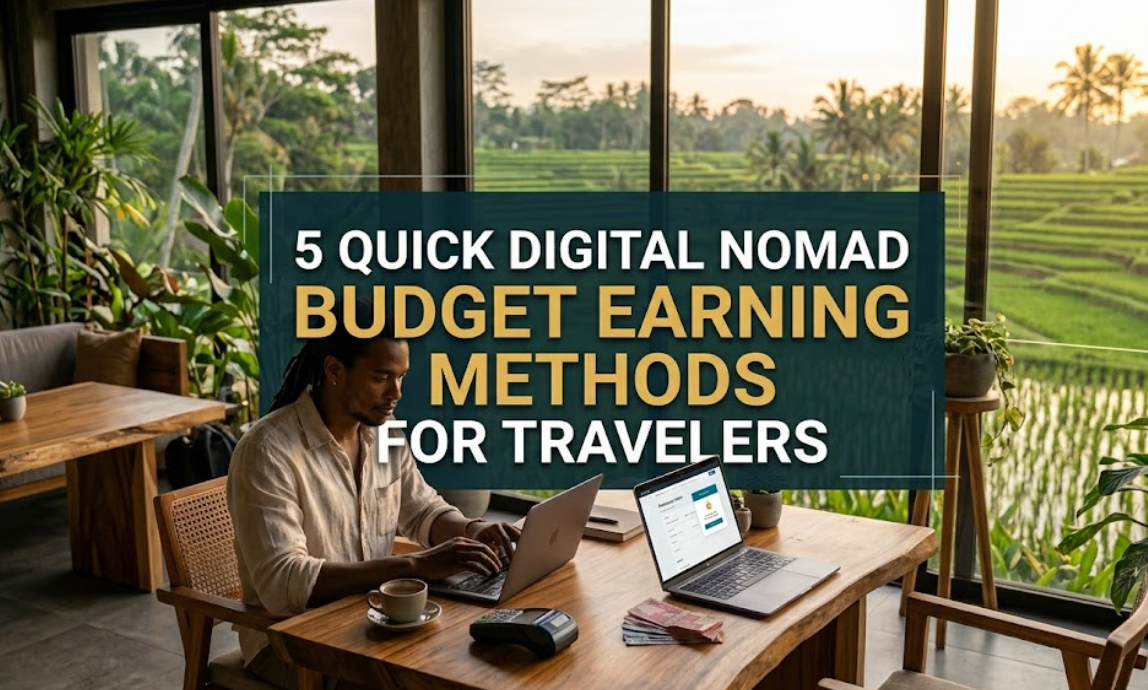
So You Want to Travel the World and Work From a Beach Café?
And actually be able to afford it. Sounds like a dream, right? But here’s the thing — thousands of people are doing it already.
The secret is to get your digital nomad budget income sources ready before — or as you travel. Not all income ideas work for travelers. Some take too long to set up. Some need a big audience. Others need tools you don’t carry with you on the road.
This guide clears the noise. Discover 5 easy-to-start, newbie-friendly income streams that suit a nomadic way of life. Here’s how to make it work, whether you’re on a $1,000-a-month budget traveling in Southeast Asia or trying to stretch $2,500 in Europe.
Let’s dive in.
Why Every Digital Nomad Should Have Multiple Income Streams
Living abroad sounds glamorous. And it can be. But the financial reality arrives quickly.
One bad month — a slow client, a platform update, a health problem — can wipe out your savings. That’s why savvy nomads don’t rely on a single income stream.
Multiple income streams give you:
- Stability when one stream slows down
- Less pressure to work constantly while you travel
- Growth potential as you scale what works
The income streams in this guide are tailored specifically for travelers. All they require are low start-up costs, a laptop, and decent Wi-Fi. That’s it.
Income Stream #1 — Freelance Writing for Blogs & Brands
Freelance writing is among the most popular income streams for digital nomads. And for good reason.

You don’t need a degree. You don’t need a massive portfolio. All you need is a laptop, decent English, and an ability to learn quickly.
What Does a Freelance Writer Do, Exactly?
Brands, blogs, and websites always need content — blog posts, email newsletters, product descriptions, social media captions, website copy. You write that content. They pay you for it.
How Much Can You Earn?
Prices for beginners typically range from $15–$50 per article. But once you niche down and build a small portfolio, your rates skyrocket. Mid-level writers typically earn $100–$300 per piece. Experts in tech, finance, or health can command $500+ per piece.
At mid-level rates, writing just 2–3 articles a week earns $800–$2,400/month — more than enough for most digital nomad budgets.
How to Get Started Fast
- Choose a niche you already know something about (travel, tech, food, fitness)
- Create 2–3 writing samples and publish them on a free portfolio site like Contently or a simple Google Doc
- Find gigs on ProBlogger, LinkedIn, or Upwork
- Land your first client within 1–2 weeks
Pro Tips for Nomad Writers
- Stick to one niche in the beginning — specialists get paid more
- Always deliver on time — it’s rare and earns you referrals
- Request testimonials from happy clients
Income Stream #2 — Virtual Assistant Work
If you’re organized, tech-savvy, and good at multitasking, virtual assistant (VA) work could be your quickest path to a steady income stream as a digital nomad.
What Do Virtual Assistants Do?
They handle the tasks that busy business owners and entrepreneurs don’t want to deal with themselves:
- Scheduling appointments and managing calendars
- Responding to emails
- Managing social media accounts
- Researching products or competitors
- Data entry and spreadsheet work
- Chat or email customer support
The entry point is very low.
The Income Reality
Entry-level VAs earn around $10–$20/hour. VAs with specialized skills (like Facebook Ads management or e-commerce store management) can earn $30–$60/hour.
Working just 20 hours a week at $20/hour = $1,600/month — enough to cover rent in Bali, Chiang Mai, or Tbilisi with money to spare.
How to Get Your First VA Client
- Create a profile on Upwork, Fiverr, or VA-specific sites like Zirtual or Time Etc
- Reach out directly to small business owners via LinkedIn or Instagram
- Offer a short trial period to build trust quickly
Skills That Boost Your VA Pay
| Skill | Pay Bump |
|---|---|
| Social media management | +$5–10/hr |
| Email marketing (Mailchimp, Klaviyo) | +$8–15/hr |
| Basic bookkeeping | +$10–20/hr |
| E-commerce store management | +$10–15/hr |
| Video or podcast editing | +$10–20/hr |
Income Stream #3 — Affiliate Marketing
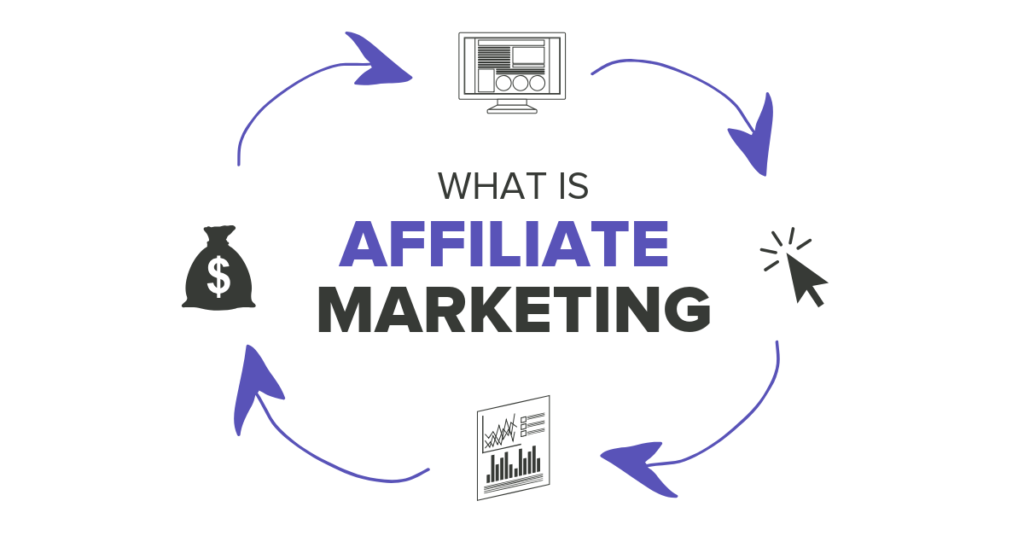
Affiliate marketing is one of the most talked-about digital nomad income streams — and also one of the most misunderstood.
Yes, it can become nearly passive. But it requires an upfront investment to get there. The payoff, though, is real.
How Affiliate Marketing Works
You recommend someone else’s product or service using a unique link. When someone clicks your link and makes a purchase, you earn a commission.
No inventory. No customer service. No product creation. Just link, share, earn.
Where to Promote Affiliate Links
- A blog or niche website
- A YouTube channel
- A TikTok or Instagram account
- An email newsletter
- A Pinterest board
You don’t need millions of followers. A small but engaged niche audience outperforms a large general one.
Best Affiliate Programs for Nomads
| Program | Commission Rate | Niche |
|---|---|---|
| Amazon Associates | 1–10% | General/broad |
| Booking.com | $5 + 20% per booking | Travel |
| NordVPN | $30–100 per sale | Tech/Security |
| Teachable | 30% recurring | Online education |
| Bluehost | $65–130 per signup | Web hosting |
| GetYourGuide | 8% | Travel experiences |
How Long Before You Earn?
This is not an overnight game. Expect 1–4 months before meaningful traffic arrives — unless you already have an audience.
But once it’s working, it can earn money while you sleep. And that’s the real appeal for nomads seeking greater freedom.
Quick Start Strategy
- Choose one platform (blog or short-form video)
- Pick 1–2 affiliate programs that fit your content
- Create honest, helpful content around products you actually use
- Post consistently for 60–90 days and monitor your results
Income Stream #4 — Online Teaching and Tutoring
Do you know something well enough to explain it? Then you can earn money as an online tutor or teacher — one of the most underrated digital nomad income streams.
The beauty of tutoring is the speed. You can earn your first dollar within a week.
What Can You Teach?
You don’t need to be a licensed teacher. People pay for:
- English language learning (massive worldwide demand)
- Math, science, or test prep
- Music — guitar, piano
- Coding or web development
- Canva or Figma (design tools)
- Business skills — Excel, writing, public speaking
- A language you’re fluent in
Best Platforms to Find Students
- Preply — ideal for language tutors
- Cambly — English only, very flexible, no lesson prep required
- VIPKid — teach kids in China (bachelor’s degree required)
- italki — teaching in 150+ languages
- Wyzant — for academic subjects
- Outschool — for creative or unconventional group classes
How Much Can You Earn?
Cambly starts at around $10.20/hour and is one of the easiest platforms to join. Preply tutors average $15–$30/hour. Experienced tutors on Wyzant or independent platforms typically charge $50–$100+/hour.
15 hours a week at $25/hour = $1,500/month — a comfortable living in most budget-friendly nomad destinations.
Tips to Earn More as an Online Tutor
- Offer trial lessons to collect your first reviews
- Once students trust you, encourage direct bookings — you keep 100% of the fee
- Specialize in high-demand niches like IELTS prep, SAT tutoring, or coding for kids
Income Stream #5 — Selling Digital Products
This is the income stream with the highest ceiling on this list.
Create a digital product once, and sell it to thousands of people without ever making anything new. That’s the real power of this model.
What Counts as a Digital Product?
- eBooks or digital guides
- Canva templates
- Notion dashboards or planners
- Lightroom presets for photographers
- Budget spreadsheets or trackers
- Stock photos or icon packs
- Online courses or video tutorials
- Printable planners or worksheets
- Resume or portfolio templates
Where to Sell Digital Products
| Platform | Best For | Fee |
|---|---|---|
| Gumroad | eBooks, templates, courses | Free + 10% |
| Etsy | Printables, Canva templates | Listing fee + 6.5% |
| Creative Market | Design assets, fonts | 40% commission |
| Teachable / Thinkific | Online courses | Monthly fee |
| Payhip | All digital products | Free + 5% |
| Your own website | Full control | Stripe/PayPal fees only |
Why This Is Perfect for Nomads
You create the product once. It lives on a platform. Strangers find it through search. Money comes in while you’re riding a motorbike through Vietnam or hiking in Patagonia.
There’s a learning curve upfront — but the lifestyle fit is perfect.
Validate Before You Build
Don’t build and hope people buy. Validate first.
- Browse Etsy or Gumroad for similar products — reviews mean there’s real demand
- Post on social media about your idea and ask if people would pay for it
- Build a bare-bones version and pre-sell before it’s fully finished
This prevents weeks of wasted effort.
How to Combine These Income Streams Wisely
You don’t have to choose just one. Experienced nomads typically build 2–3 complementary income streams.
Here are some proven combinations:
The Content Creator Stack Freelance writing (fast cash) + affiliate marketing on your blog (growing passive income) + digital products from your expertise (scalable revenue)
The Service-First Stack Virtual assistant work (quick, stable cash flow) + online tutoring in the evenings (extra income) + one digital product you slowly build on the side
The Educator Stack Online tutoring (get started fast) + build a course around your teaching (scales your hourly income) + refer students to tools through affiliate marketing
The goal is to have at least one fast-cash stream (freelancing, tutoring, VA work) while slowly building something more passive on the side (affiliate marketing, digital products).
The True Cost of Living as a Digital Nomad
Know your numbers before you commit to this lifestyle. Here’s a realistic monthly breakdown across three popular nomad destinations:
| Expense | Bali, Indonesia | Chiang Mai, Thailand | Lisbon, Portugal |
|---|---|---|---|
| Rent (private room/studio) | $300–$500 | $250–$450 | $700–$1,200 |
| Food | $150–$250 | $100–$200 | $300–$450 |
| Transportation | $50–$80 | $40–$80 | $50–$100 |
| Co-working space | $80–$150 | $60–$120 | $100–$200 |
| Total (est.) | $580–$980 | $450–$850 | $1,150–$1,950 |
As you can see, $1,000–$1,500/month can cover a comfortable life in Asia — achievable with just 1–2 of the income streams in this guide.
Common Mistakes New Nomads Make with Income Streams
Knowing the right income streams isn’t enough. You also need to avoid the pitfalls that slow most people down.
Doing Too Much Too Soon
In your first week, you may feel tempted to start a blog, open an Etsy shop, apply to VA jobs, and start tutoring — all at once. Don’t. Pick one or two. Earn your first dollar. Then grow.
Undercharging to Win Clients
Charging too little attracts bad clients and burns you out. Know your minimum rate and hold that line. Cheap clients are rarely worth the trouble.
Ignoring Taxes
Yes, even digital nomads pay taxes. The rules depend on your home country and where you spend your time. Look into:
- Expat tax rules in your home country
- Digital nomad visas (now available in Portugal, Georgia, Indonesia, and more)
- A tax advisor who specializes in expat finances
Not Having a Financial Buffer
If you’re planning to go full-time nomad, save at least 2–3 months of living expenses first. Income streams take time to stabilize. A buffer keeps your stress low.
Frequently Asked Questions
Q: How quickly can I start earning from these income streams? Freelance writing, tutoring, and VA work can pay within 1–2 weeks of starting. Affiliate marketing and digital products typically take 1–4 months before consistent income begins.
Q: Do I need to be fluent in English? Most clients on platforms like Upwork, Fiverr, and Preply expect strong communication skills. A B2 level of English is generally enough to compete. For English tutoring specifically, strong fluency is essential — and demand for English lessons worldwide is enormous.
Q: How much should I have saved before going nomad? A general rule: save 3 months of your target monthly budget. If you need $1,200/month, save at least $3,600 before making the leap. More is always better.
Q: Can I build these income streams before leaving home? Yes — and you should. Landing your first client or making your first digital product sale is far less stressful when you still have a regular paycheck coming in.
Q: What equipment do I need? Most income streams require:
- A solid laptop
- Noise-canceling headphones (especially for tutoring and VA calls)
- A backup internet solution (local SIM card data)
- Productivity apps (Google Drive, Notion, Canva, etc.)
A good nomad setup typically costs $500–$1,500 one time.
Q: Is affiliate marketing truly passive income? Partially. Setting up affiliate links and creating content that attracts traffic takes real time and effort upfront. But once a blog post or video ranks well, it can generate income for months or years with minimal updates. The longer you build, the more passive it becomes.
Q: As a complete beginner, which income stream should I start with? VA work or online tutoring. Both have very low barriers to entry, can pay within your first two weeks, and require no audience-building. Start there, get stable, then layer in additional streams as your confidence grows.
What to Do Next
Don’t search for the perfect income stream. Start.
Reading about freelance writing won’t pay your rent in Bali. Watching affiliate marketing YouTube videos won’t fund your next flight. You have to decide, take action, and get uncomfortable for three or four weeks.
Here’s a simple starting plan:
- Pick one income stream from this list
- Spend three days setting up your profile or creating your first sample
- Send your first application or publish your first piece of content
- Earn your first dollar — no matter how small
- Then scale up and add a second stream
The goal isn’t perfection. The goal is momentum.
Thousands of people are working right now from beautiful places around the world — with nothing more than a laptop and Wi-Fi. They started with the same uncertainty you might be feeling. The difference is they started.
Now it’s your turn.
Have a question about any of these income streams? Drop it in the comments or reach out — the nomad community is one of the most helpful online.