Imagine this scenario: you work from a café in Bali, fresh coconut water in your hand and the ocean breeze on your face. Sounds perfect, right?
But nobody mentions that a ton of people who try the digital nomad lifestyle quit in their first few months. Not because of the work. Not because of loneliness. Because of money.
They had not put their budget in place properly. They had splurged on seemingly small things. They lost money to terrible bank fees. They had no safety net when things went south.
The good news is creating a great digital nomad budget isn’t rocket science. You only need a system in place at the beginning.
We’ve compiled 6 simple, practical hacks used by real long-term travelers to keep their finances in check — without sacrificing the lifestyle they worked hard for. Whether you’re just getting started or you’re already out there and having a hard time keeping track of your spending, these hacks will help you regain control.
Let’s dive in.
Hack #1: Know Your Actual Monthly Number Before You Go Anywhere
The common approach is to guess your travel budget. That’s the first mistake.
You need to calculate your real monthly spending number — before you spend a dollar on flights or accommodation. Not what you imagine it to be — what it actually is.
How to Calculate Your Nomad Budget Baseline
Start by listing all your expenses at home. Then determine which will go away once you leave (gym membership, car payments, local subscriptions) and which new ones will arise (flights, visas, coworking spaces, travel insurance).
Here’s a simple breakdown of what most digital nomads spend their money on:
The 3-Tier Budget System
Another simple trick is to plan for three tiers:
- Minimum budget — the least amount you can get by on. Basic accommodation, groceries only, nothing extra.
- Comfortable budget — what you’d truly enjoy spending. A mix of eating out, coworking, and some activities.
- Big budget — for months with flights, visa fees, or a splurge trip.
Most experienced nomads live around the comfortable tier, keeping the minimum tier as a backup plan.
Pro Tip: Whatever number you calculate, add a buffer of 10–15%. Everything costs more than expected — particularly in your opening months.
Hack #2: Open a Multi-Currency Bank Account (And Say Goodbye to ATM Fees)
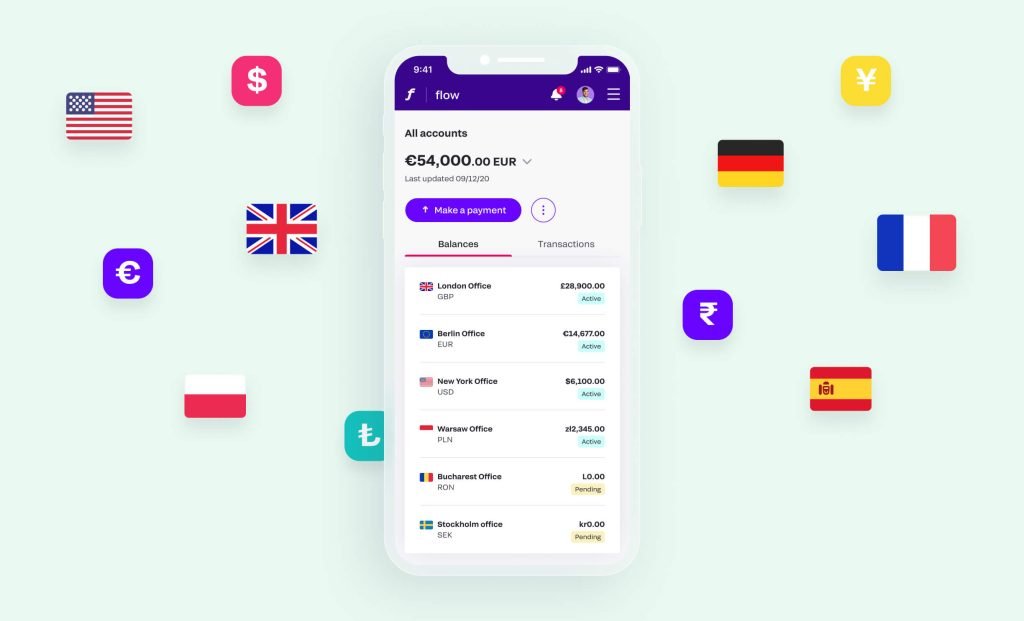
This is a huge, money-draining mistake new nomads make.
If you are using a normal bank account abroad, you can lose 3–5% on every single transaction. That doesn’t sound like much. But over the course of a year, that can amount to hundreds — even thousands — of dollars in fees alone.
The Best Banking Tools for Digital Nomads
Here’s a brief comparison of banking options nomads are using:
| Bank / App | No ATM Fees | Multi-Currency | Instant Transfers | Monthly Fee |
|---|---|---|---|---|
| Wise (ex-TransferWise) | ✅ (some limits) | ✅ Yes | ✅ Yes | Free / Low |
| Revolut | ✅ (some limits) | ✅ Yes | ✅ Yes | Free / Premium |
| Charles Schwab | ✅ Unlimited | ❌ USD only | ✅ Yes | Free |
| N26 | ✅ Some plans | ⚠️ Limited | ✅ Yes | Free / €9.90 |
| Monzo | ✅ Limited | ⚠️ Limited | ✅ Yes | Free / £5 |
Why This Matters for Your Digital Nomad Budget
The objective is straightforward: hold on to as much of your money as you can. Each fee you avoid is money that stays in your pocket.
Wise is most popular because you can hold money in 40+ currencies simultaneously. You earn in dollars, spend in Thai baht, and save in euros — without sacrificing a cut to conversion fees.
Open at least two of these accounts — one as your main and another as a backup. ATMs run out of cash. Apps go down. When you’re in a foreign country, you always want a Plan B.
Hack #3: Create a Location-Based Budget, Not a Fixed One
Here’s something most people don’t realize: your budget needs to differ depending on your location.
A month in Vietnam costs a fraction of what a month in Switzerland does. You cannot live on the same fixed budget everywhere — either you’ll go broke in expensive destinations or leave cheap ones early feeling like you missed out.
How to Build Your Location-Based Budget
Do your research before arriving in a new destination. Use tools like:
- Numbeo — user-driven cost of living data for cities around the globe
- Nomad List — average monthly expenditure for popular nomad locations
- Budget Your Trip — actual traveler reports on daily spending
When you move to a new city, create a fresh mini-budget for that location — including local rent prices, grocery costs, transport options, and coworking space rates.
This flexible budget approach lets you save more in inexpensive locations — so when you visit pricier destinations, you can do so without stress.
Hack #4: The 50/30/20 Rule — Nomad Style
You’ve likely heard the classic budgeting rule — 50/30/20. It divides your income into three buckets: 50% for needs, 30% for wants, and 20% for savings.
It just needs a small twist for digital nomads. When you’re on the road, your “needs” look different.
The Nomad Version of 50/30/20
| Category | % of Income | What It Covers |
|---|---|---|
| Needs | 50% | Accommodation, food, transport, insurance, coworking |
| Wants | 30% | Travel activities, dining out, entertainment |
| Savings | 20% | Emergency fund, tax reserve, flight fund |
Why the 20% Savings Bucket Is Non-Negotiable
Many nomads skip the savings bucket. They plan to save “when they earn more.” That mindset is dangerous.
As a nomad, you have no employer safety net. No paid sick days. No company pension. If your laptop breaks, if you get sick, if a client drops you — that 20% is what keeps you going.
Within your 20%, aim to build:
- Emergency fund — 3–6 months of living expenses (for emergencies only)
- Tax reserve — if self-employed, set aside 25–30% from each invoice
- Flight fund — for planned moves from place to place
Use dedicated savings accounts or “pots” (available in Monzo and Revolut) to separate these buckets so they’re easy to track. If you want a deeper look at how nomads structure their finances, Digital Nomad Budget is a solid resource for practical frameworks and tools.
Hack #5: Use a Simple Expense Tracker — And Actually Use It
You know where your money should go. Knowing where it actually goes is what changes everything.
The reason most digital nomads struggle financially isn’t overspending on big purchases. It’s losing small amounts — a coffee here, a tourist activity there, an impulse buy — that add up faster than people realize.
The Best Budget Tracking Apps for Nomads
| App | Best For | Multi-Currency | Free Version |
|---|---|---|---|
| Trail Wallet | Simple daily tracking | ✅ Yes | ✅ Yes |
| YNAB (You Need A Budget) | Deep budgeting | ✅ Yes | ❌ No |
| Toshl Finance | Visual budgeting | ✅ Yes | ✅ Limited |
| Splitwise | Shared costs | ✅ Yes | ✅ Yes |
| Simple Spreadsheet | Full control | Manual | ✅ Free |
The 5-Minute Daily Money Check-In
You don’t have to spend hours managing your finances. Five minutes a day is all you need.
Every evening, open your tracker and log what you spent. That’s it. No deep analysis needed daily — just log and go.
Then take 15 minutes at the end of each week to review:
- Did you stay under each budget category?
- Were there any unexpected expenses?
- Are there categories where you consistently overspend?
This habit of keeping spending visible can save most nomads $200–$400 per month. Having the numbers in front of you naturally leads to better decision-making.
Hack #6: Plan Your “Big 3” Expenses in Advance
Most budget blowouts don’t come from day-to-day spending. They happen because of large, unexpected expenses that people didn’t plan for.
For digital nomads, the “Big 3” are:
- Flights — particularly one-way and last-minute tickets
- Visa fees and renewals — these vary by country, ranging from $50–$300+
- Equipment replacements — your laptop, phone, or camera breaking is a real possibility
How to Budget for Irregular Expenses
The trick is to treat these as monthly expenses, even if you don’t pay them monthly.
The math works like this: if you anticipate spending $1,200 on flights over the next 12 months, set aside $100 every month into a dedicated “flights fund.” Do the same for visas, gear, and other irregular costs.
This is called sinking funds, and it’s one of the most powerful budgeting tools available. Instead of being hit with a surprise bill, you’ve already been saving for it.
Quick Wins: Booking Flights Cheaper
Since flights tend to top the list of irregular spending, here are some tactics that actually work:
- Book 6–8 weeks in advance for most short-haul routes
- Use Google Flights and set fare alerts for routes you expect to take
- Fly on Tuesdays and Wednesdays — typically the cheapest days
- Embrace slow travel — spending 1–3 months per place significantly reduces flight costs
Bringing It All Together: Your Digital Nomad Budget Roadmap
Here’s a simple step-by-step to set up your digital nomad budget from scratch:
- Calculate your real monthly number (Hack #1)
- Open a multi-currency bank account (Hack #2)
- Research and build a location-based budget (Hack #3)
- Apply the nomad 50/30/20 rule (Hack #4)
- Choose a tracking app and start logging daily (Hack #5)
- Set up sinking funds for your Big 3 expenses (Hack #6)
Your budget is not a one-off setup. It’s a living system. Revisit it every month — especially when you move to a new country or your income changes.
Budgeting Mistakes Every Digital Nomad Must Avoid
No matter how good your system is, there are some traps that catch people off guard.
Mistake #1: Failing to plan for slow work months. Freelance income is unpredictable. Some months you’ll earn double. Some months you’ll earn half. Base your budget on your lowest expected income, not the average.
Mistake #2: Forgetting about taxes. When you’re self-employed, no one is withholding taxes for you. Take 25–30% of each payment and move it into a separate bank account. This is non-negotiable.
Mistake #3: Underestimating accommodation costs. Short-term rentals and Airbnbs cost significantly more than monthly apartments. If you’re staying somewhere for 30+ days, always look for monthly rates — they nearly always save you money.
Mistake #4: Relying on a single income stream. Your entire budget can collapse if one client leaves you. Aim for at least 2–3 sources of income. Even a small passive income stream can be a lifesaver.
Mistake #5: Skipping travel insurance. It seems like an easy cost to cut. It’s not. A single visit to a foreign hospital can run into thousands of dollars. Good nomad insurance (like SafetyWing or World Nomads) typically costs only $40–$80 per month.
Frequently Asked Questions About Digital Nomad Budget Setup
Q: How much money do I need to become a digital nomad? Most people can manage comfortably with $2,000–$3,000 saved as a buffer, plus a steady income of $1,500–$2,000 per month. If you choose an affordable destination like Southeast Asia or Latin America, the bar is lower. The key is having at least 3 months of living expenses saved before you go.
Q: Is the digital nomad lifestyle cheaper than staying in one place? It can be — if you choose cost-effective destinations. Nomads based in places like Chiang Mai, Medellín, or Tbilisi can often live well on $1,500–$2,000 per month. But if you’re constantly on the move and booking accommodation last minute, it can end up being more expensive than staying put.
Q: What about taxes for digital nomads? This varies significantly based on how long you spend in each country and your home country’s rules. Most nomads file taxes in their home country as usual, or — if spending below certain thresholds — explore tax residency options in low-tax countries. Consult an international tax professional who specializes in nomads.
Q: Which is the best budgeting app for digital nomads? For simplicity, Trail Wallet is a great option for beginners. YNAB is highly rated by many long-term nomads for a deeper system. If you want something free and flexible, a Google Sheets template tailored to your categories is often the best way to go.
Q: How do I budget for frequent country hopping? Start a moving fund that covers flights, visa fees, first month’s rent, security deposits, and a local SIM card. Budget at least $300–$600 per country move. If you’re relocating every month, treat this as a fixed monthly cost.
Q: Do I need a credit card as a digital nomad? Yes — but only if you can use it responsibly. A travel credit card with no foreign transaction fees can help you earn points on flights and hotels. Popular choices include the Chase Sapphire and Capital One Venture. Just pay it off in full every month — carrying debt while nomading is one of the quickest paths to financial stress.
Q: What if my income varies a lot from month to month? Budget based on your lowest income, not your average. On good months, funnel the excess straight into your emergency fund or flight fund. That way, lean months won’t derail your lifestyle.
The Bottom Line: Your Money Is Your Freedom
Here’s the truth: a good digital nomad budget isn’t about depriving yourself. It’s about giving yourself freedom.
When you know exactly where your money is going, you stop stressing about it. You can make spontaneous decisions — booking that flight, taking that trip, trying that restaurant — because you know your numbers.
The six hacks in this guide are not rocket science. They don’t require a finance degree. They simply take a little intention and a couple of hours of setup time.
Start with Hack #1. Calculate your real monthly number. Open your multi-currency account. Build your location budget. Apply the 50/30/20 rule. Start tracking. Set up your sinking funds.
Follow those six steps, and you’ll be ahead of 90% of people who attempt the nomad life.
The road is waiting. Get your budget sorted — then go live it.