The dream is real. Laptop on a beach in Bali. Coffee shop in Lisbon. A co-working space in Chiang Mai. But here’s the one thing that most travel blogs aren’t telling you: being a digital nomad can take a toll on your finances faster than you think if you don’t have a solid money plan in place.
The good news? There are ways to save money on the road. In fact, countless full-time nomads pay less per month than they did at home — all without sacrificing comfort or experiences.
This guide will unpack 12 smart digital nomad budget strategies you can implement today. Whether you are just getting started or already living the laptop life, these tips for daily savings will help make your dollar go further.
1. Choose your base the way a financial observer would, not a tourist
Where you live is more important than anything else in your budget.
People visit Paris and New York. Smart digital nomads fly to Medellín, Tbilisi and Ho Chi Minh City — cities with fast internet, an up-and-coming nomad community and living costs that can turn your salary into a superpower.
The “cost vs. quality” rule
Don’t just chase cheap. Chase value. A city should offer:
- High-speed, reliable internet (50 Mbps or higher)
- Safe neighborhoods with cafes and co-working spaces
- Affordability (reasonable rent, under $800/month ideally for a nice apartment)
- Healthy food available at a fair price
Use Nomad List or Numbeo to compare cities before you move. These sites show average costs for rent, food, transport and entertainment — all in one place.
Slow travel beats city hopping
Moving every few days is exciting — and costly. Flights, hostels and tourist-area restaurants add up quickly. Instead, rent a space in the same city for 4–8 weeks. Landlords offer better rates for longer stays, and you’ll naturally find the local spots where prices are half what tourists pay.
2. Become a pro at housing hacks
Housing is your largest expense after flights. Cut it here and the rest gets easier.
Monthly rentals over hotels
Hotels are convenient but costly. A monthly apartment rental will usually cost 40–60% less per night than a hotel. Apps like Airbnb, Booking.com and local Facebook groups (search “[City Name] expat housing”) are good places to start.
Pro tip: Message hosts directly and request a monthly discount. Most will negotiate.
House sitting — the no-cost solution
Websites like TrustedHousesitters and HouseSitter.com connect homeowners with trustworthy travellers who stay free in exchange for caring for pets. Free rent for you; peace of mind for them. It’s one of digital nomadism’s best-kept secrets.
Co-living spaces
Co-living places like Outpost, Selina and Hmlet bundle housing, workspace and community into one. They aren’t always the cheapest option, but they can save you from paying separately for a co-working membership — which can offset the higher upfront cost.
3. Create a basic monthly budget (and follow it)
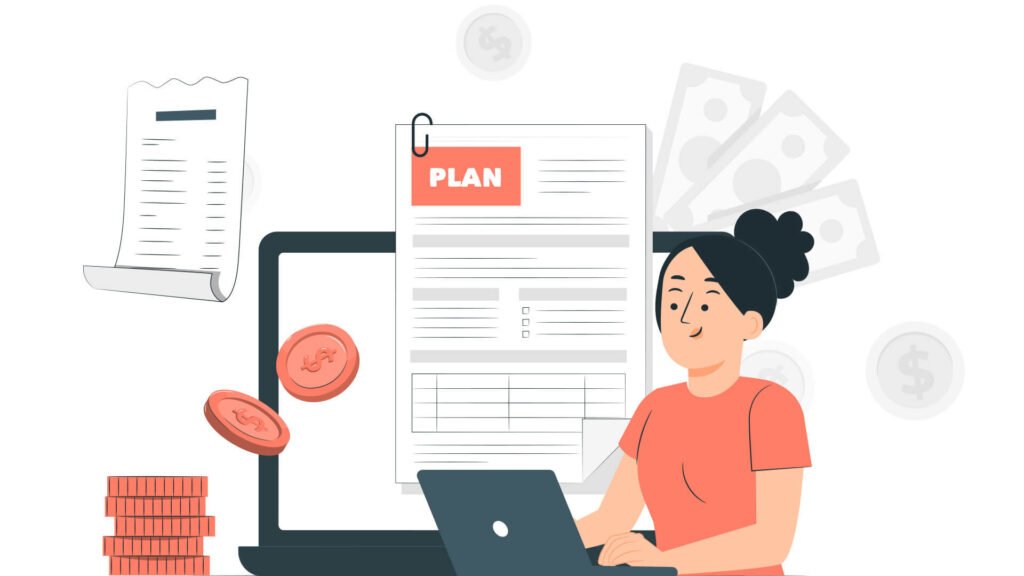
Most people have no idea how much they spend. The nomads who monitor it closely always win.
The 50/30/20 nomad version
| Category | % of income | What it covers |
|---|---|---|
| Needs | 50% | Rent, food, internet, transport |
| Work & growth | 20% | Tools, courses, co-working |
| Fun & travel | 20% | Flights, experiences, eating out |
| Savings / emergency fund | 10% | Emergency fund, retirement |
Modify the percentages as needed, but always pay yourself first — that 10% savings goes out before anything else.
Best budget apps for nomads
- Trail Wallet — Easy, visual, perfect for tracking daily spending
- YNAB (You Need A Budget) — More detailed, great for planners
- Notion or Google Sheets — Customisable if you prefer DIY
4. Eat like a local (not like a tourist)
Food is one category where small daily decisions translate into big monthly savings.
The market strategy
Markets — known as mercados, pasar or bazaar depending on the country — sell fresh produce for a fraction of supermarket prices. A full meal from a street vendor in most Southeast Asian cities costs $1–2. That same meal in a tourist-zone restaurant? $8–12.
Try to cook at home four to five days a week. A rice cooker and a small grocery haul can halve your food costs.
Eating out smart
When you do eat out, follow these rules:
- Eat where locals eat. No English menu? Even better — that usually means lower prices.
- Lunch specials beat dinner menus. Many restaurants serve the full menu at half price during lunch.
- Avoid “breakfast included” hotel deals. They’re almost always overpriced. A local bakery or street stall is significantly cheaper and far more interesting.
5. Master transport (without getting ripped off)
Transportation costs bite the budget more than you think — especially when you tally up daily rides, airport transfers and regional travel.

On the ground
Local apps beat tourist services. Grab (Southeast Asia), Bolt (Europe/Africa) and InDrive let you haggle for fares — often 50% cheaper than local taxis.
For longer stays, rent a scooter. Monthly scooter rental ($60–100/month) is almost always cheaper than daily ride-hailing, especially in Bali, Vietnam or Thailand.
Walk more. Choose a central apartment so you can walk to cafes and supermarkets rather than paying for rides.
On flights
- Use Google Flights to track price drops and set alerts.
- Book Tuesday–Wednesday departures when possible (generally cheaper).
- Leverage credit card points and miles. Cards like the Chase Sapphire Preferred or Capital One Venture can earn $500–1,000 worth of travel per year.
- Low-cost carriers like AirAsia, Ryanair and Wizz Air are great for regional hops — travel carry-on only to avoid baggage fees.
6. Get your internet game right (and stop overpaying)
As a digital nomad, the internet is your lifeline. But you don’t have to spend $100/month to get reliable connectivity.
Layered internet strategy
- Local SIM card — Buy on arrival. In most countries, unlimited plans average $10–20/month.
- Apartment WiFi — Verify speeds before booking. Use Fast.com or Speedtest on arrival, and request a refund or discount if speeds are poor.
- Co-working space — For mission-critical calls and deep work sessions when you need guaranteed speed.
Save on co-working
Drop-in fees at co-working spaces add up fast. Buy a monthly membership instead — typically 40–60% cheaper on a per-day basis. Many nomads only need 2–3 days a week in a co-working space and work from cafes or their apartment the rest of the time.
7. Avoid bank fees and choose the right travel card
Bank fees are quiet budget assassins. ATM fees, foreign transaction fees and currency conversion markups can cost you $30–100/month without you even noticing.
Best banking options for nomads
| Bank / card | Foreign transaction fee | ATM withdrawals | Best for |
|---|---|---|---|
| Charles Schwab (US) | 0% | Unlimited free worldwide | US-based nomads |
| Wise (Borderless Account) | Low / none | 2 free withdrawals/month | Multi-currency spending |
| Revolut | 0% (fair use limits apply) | Some free | Europe-based nomads |
| N26 | 0% | Varies by plan | European Union |
Withdraw larger amounts, less frequently. Flat ATM fees hurt more when you’re withdrawing small sums each time.
8. Audit your subscriptions and tools
There are tools every nomad is paying for that they no longer need. Time to audit them.
The monthly subscription audit
Scan your bank statement and write down every recurring charge. Then ask of each: “Did I use this enough this month to justify the cost?”
Common money wasters:
- Multiple streaming services (choose two and cancel the rest)
- Unused cloud storage upgrades
- Lifetime-deal tools you purchased but never use
- Gym memberships in a city you’ve already left
Shared tools and bundled plans
- Adobe Creative Cloud — Team plans allow you to legally split the cost with a colleague.
- Spotify / Apple Music — Use student pricing if eligible, or split a family plan with nomadic friends.
- Notion / Obsidian — Free plans are sufficient for most people.
- ChatGPT / AI tools — Most day-to-day tasks can be handled on free tiers. Don’t upgrade unless it genuinely speeds up paid work.
9. Build an emergency fund for digital nomads
This is the strategy most people skip — and the one that can derail everything if overlooked.
Why nomads need a larger emergency fund
Back home, emergencies are annoying. On the road, they’re critical. A missed flight, a dying laptop, a sudden health issue or an unexpected visa requirement can set you back $500–2,000 overnight.
General advice is to keep 3 months of expenses in savings. For nomads, aim for 6 months — especially if your income isn’t fully stable yet.
Where to keep your emergency fund
Keep it somewhere:
- Safe (not in the checking account you dip into daily)
- Accessible (not locked in a long-term investment)
- Earning a decent return (a high-yield savings account beats a regular one)
Good options include Ally Bank, Marcus by Goldman Sachs or Wise Interest (available in select countries).
10. Use geo-arbitrage to your advantage
This is known as geo-arbitrage, and it’s one of the most powerful financial benefits of the nomad lifestyle.
How geo-arbitrage works
If you earn in US dollars or euros and live somewhere with a much weaker currency, your money stretches dramatically further.
- $3,000/month in New York = a modest studio and a constrained lifestyle
- $3,000/month in Vietnam = a stunning apartment, daily massages, frequent travel — and still saving money
The gap between what you earn and what things actually cost is your wealth-building engine.
Best geo-arbitrage destinations right now
- Southeast Asia: Vietnam, Thailand, Indonesia, Philippines
- Eastern Europe: Georgia, Serbia, Albania, Romania
- Latin America: Colombia, Mexico, Ecuador, Peru
- Africa: Morocco, Kenya (Nairobi has an emerging nomad scene)
11. Choose the right health insurance (without getting ripped off)
Healthcare is the one area where going cheap can truly destroy your finances. A single uncovered hospital stay can cost $5,000–50,000 in some countries.
Nomad health insurance options
| Provider | Monthly cost (approx.) | Best for |
|---|---|---|
| SafetyWing | $40–60 | Budget nomads, first-time travellers |
| World Nomads | $70–150 | Adventure travellers |
| Cigna Global | $150–300 | Long-term, comprehensive coverage |
| IMG Global | $100–250 | US-based nomads needing US coverage |
SafetyWing is the most popular starting point. It’s affordable, covers medical emergencies in most countries and you can enrol from anywhere in the world.
Also worth noting: many countries with public healthcare systems (like Germany, Canada and Portugal) allow long-term residents access after registration. If you’re settling somewhere for a while, look into this.
12. Build multiple income streams on the road
The quickest path to a stronger budget isn’t always cutting expenses — sometimes it’s earning more. Nomads are perfectly positioned to diversify.
Ways to earn while travelling
- Freelancing: Upwork, Toptal and Contra let you sell skills in writing, design, development, marketing and more.
- Content creation: A blog, YouTube channel or newsletter on travel or your niche can generate passive income over time.
- Online courses: Platforms like Gumroad or Teachable let you sell what you know.
- Remote work: Full-time remote jobs on We Work Remotely, Remote.co and FlexJobs provide a stable income base.
- Affiliate marketing: Recommend products you genuinely use (like the banking cards or insurance above) and earn a commission.
Even an extra $300–500/month from a side stream changes the shape of your budget significantly. According to MBO Partners’ State of Independence report, the number of digital nomads has grown substantially, with income diversification cited as one of the top reasons nomads sustain the lifestyle long-term.
Putting it all together: your daily savings checklist
Daily habits
- One meal from a local market or cooked at home
- Walk or use a local transport app, not tourist taxis
- Record every expense, no matter how small
Weekly habits
- Compare your actual spending against your budget target
- Find a cheaper alternative for one regular expense
- Consolidate ATM withdrawals to avoid multiple fees
Monthly habits
- Review all subscriptions — cancel at least one unused service
- Assess your current city’s value and plan your next move
- Move your 10% savings first, before any other spending
FAQ: digital nomad budgeting strategies
Q: How much cash do I need to start as a digital nomad?
Most people begin with $2,000–3,000 in savings and a steady income stream (minimum $1,500/month). Where you’re based matters enormously — Southeast Asia requires far less than Western Europe.
Q: Can I save money as a digital nomad if I still earn in my home currency?
Yes — especially when based in a lower-cost country. Earning in USD, EUR or GBP while spending in Vietnamese dong or Georgian lari gives you an immediate purchasing-power advantage.
Q: What is the biggest financial mistake new digital nomads make?
Moving too fast. Constant travel — new flights, new hotels, meals at tourist prices — erodes your budget quickly. Slowing down and staying longer in one place is the single fastest fix.
Q: Is the digital nomad lifestyle cheaper solo or as a couple?
With a partner, you split fixed costs like rent and utilities, cutting per-person housing costs by 30–40%. Solo travel is more flexible but more expensive per capita.
Q: What should I do about taxes as a digital nomad?
Tax rules vary greatly by nationality and residency. US citizens must pay taxes regardless of where they live (some exceptions apply). Non-US nomads should check their home country’s rules. Always consult a tax professional who specialises in expats — the savings from strategic planning almost always exceed the consultation fee.
Q: Should digital nomads budget for visas?
Yes. Allocating $50–300/year for visa costs is sensible — tourist visa extensions, digital nomad visas (now offered by 50+ countries) or the occasional border run when needed.
Q: How much does a digital nomad typically spend per month in Southeast Asia?
In Thailand, Vietnam or Indonesia, a comfortable but frugal nomad usually spends $1,000–1,800/month, including rent, food, co-working, insurance and local transport.
The bottom line
The digital nomad lifestyle doesn’t have to be expensive. Done right, it can cost less than living in a big city back home — while delivering more freedom, new experiences and a richer quality of life.
The 12 strategies in this guide aren’t about deprivation. They’re about being intentional. Know where your money goes. Choose cities that give you the most value. Earn smart, spend smarter and keep building that savings buffer so no surprise can derail what you’re working toward.
Pick two or three strategies from this list and try them out. Track your results for a month, then layer in more. Small daily savings habits compound over time into serious financial freedom — exactly the way nomad life should be.